
By Stephen D. Bowling
Ike Gross and his sons sat in the Breathitt County Jail during the first week of June 1962. They were free to go, but they refused to leave. The Grosses had been guests of the county for several days following their arrest, during a dispute with the Kentucky Department of Highways.
On May 25, twenty-five state troopers approached the house with their weapons drawn. The Jackson Times printed that the troopers were “equipped with an armored truck and enough paraphernalia with which to wage a respectably-sized war.” They were unsure what awaited them as they approached the door of the little house on Main Street.
Efforts to talk to the residents of the home a few weeks before had been “rebuffed” after the home’s owners reportedly met them on the porch with guns in hand.
This time, the troopers were met at the door by Ike Gross, and he offered no resistance. Ike, and his sons, Sidney, 39, Elmer, 42, and Franklin, 22, were led at gunpoint from the house to the awaiting cruisers.
Troopers and local highway officials carried the furniture from the home and piled it along Main Street. Their bedding and clothing were soon added to the pile. Canned goods and other food items were boxed and placed near the family’s belongings as a sickly Mrs. Cora (Johnson) Gross sat in a chair, watching. Within minutes, their family home was empty.
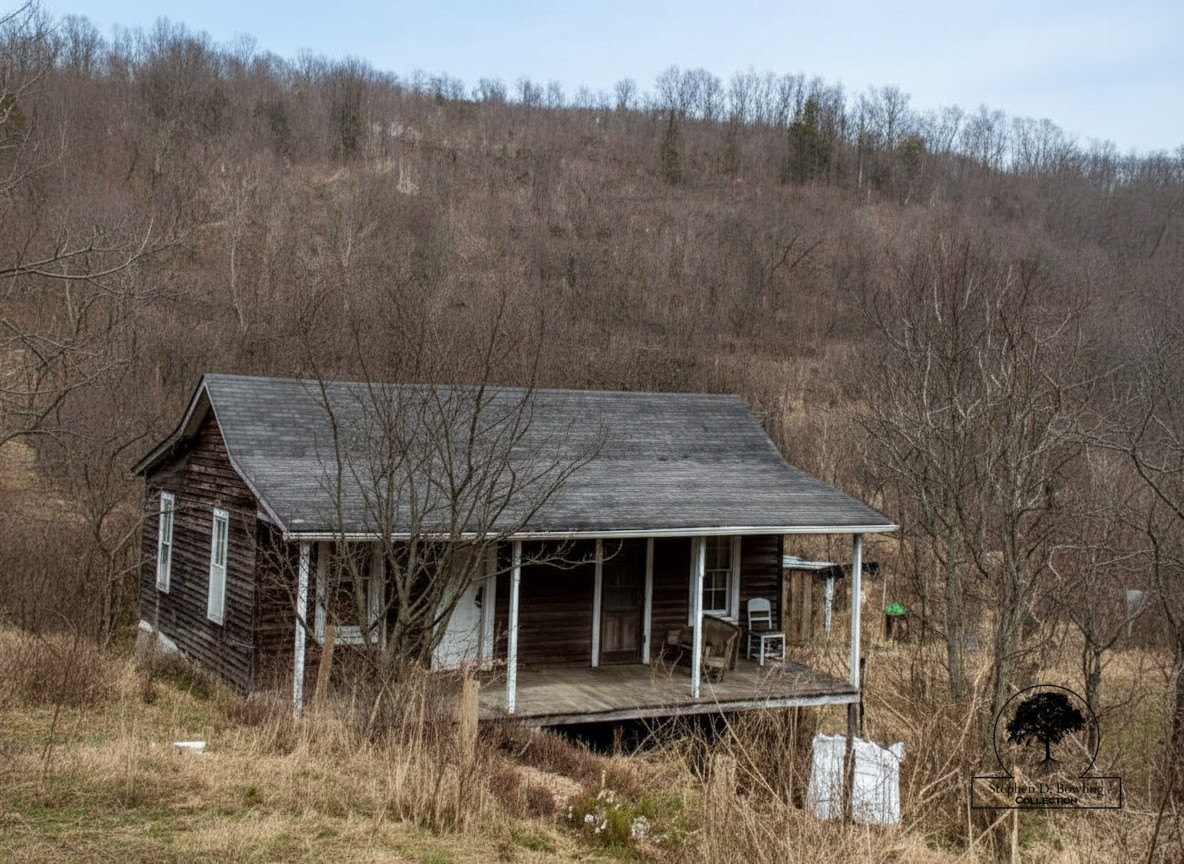
Bulldozers that had been working nearby turned their blades toward the Gross house. Within minutes, the small, five-room wooden structure was nothing more than a heap of splinters.
Four weeks after their arrest, they remained in the Breathitt County Jail.
“We may die in jail,” Sidney Gross told Report Kyle Vance of The Louisville Courier-Journal. “We are going to stay to the end.”
The dispute resulted from what the Grosses considered a “low-ball” offer for their home from the Kentucky Department of Highways.
In 1960 and early 1961, the highway department was working to improve access to Jackson. The proposed access road, Highway Project A.O. 64366, SP 13-257-R1, F 102(7), from Main Street to the new Kentucky-Virginia Highway (now Highway 15) was designed to run straight through the Gross property.

Cora Gross purchased the 42 by 212-foot lot from Price and Margaret Sewell on September 14, 1946, for $250 cash. The lot was one of several along East Main Street that the Sewells purchased from John and Agnes Mardiee, of Glasgow, Scotland, who were heirs in the Charles Hendrie estate. The Grosses moved in and started making improvements to the home.
Property assessors visited the family in the fall of 1960 and appraised the property at $4,475. On February 15, 1961, the state offered $6,000, but the Grosses refused, insisting they would leave for no less than $10,000. After some discussion, it became apparent that neither side would budge.
The highway department filed to condemn the property, which is now known as eminent domain. The court’s judgment on August 28, 1961, ordered the family to vacate the home and accept the $6,000 offer. The Grosses refused.
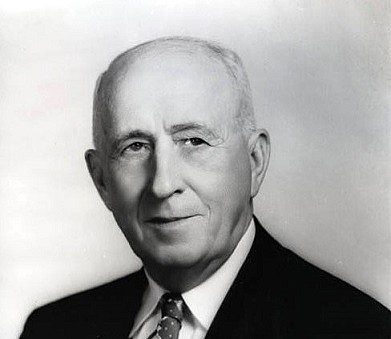
The family offered to donate a 40-foot strip of land to the state if they could keep their home. The state refused the offer.
When law enforcement officers knocked on the door of the home on March 29, 1962, to serve removal paperwork, the Grosses “met callers with guns in hand,” but insisted that they had not threatened anyone. When the officers returned on May 25, they brought additional support.
Troopers swarmed the property, covering all exits from the home. Over a cruiser’s speaker, officers gave the Grosses five minutes to surrender and leave the residence peacefully.
Sidney Gross and Ike had weapons in hand, ready to defend the home, Sidney Gross told reporters. No shots were fired. Cora Gross, unable to walk on her own, pleaded with her husband to surrender. After a few minutes, he laid the gun on the kitchen table and walked out with his sons as dozens of law enforcement weapons followed their every move.
Ike Gross told reporters that the small family home was all they had. “It’s my life’s work,” he said. “I worked to pay for it when I was sick, tired, and hungry. I worked to make it a decent place to live.” He said they had nowhere else to go. Gross told reporters that his family had farmed the small plot, developed an orchard, built a barn, a chicken coop, and built fences, as well as installed a septic system that was not included in the calculations of the property’s value.
“We could not come anywhere close to replacing it with $6,000,” Gross said.
The father and sons refused to leave jail after County Judge Sam P. Deaton offered bonds of $5,000 to keep the peace and $2,500 to secure their appearance in court.
“We’ll never do it,” Gross said.
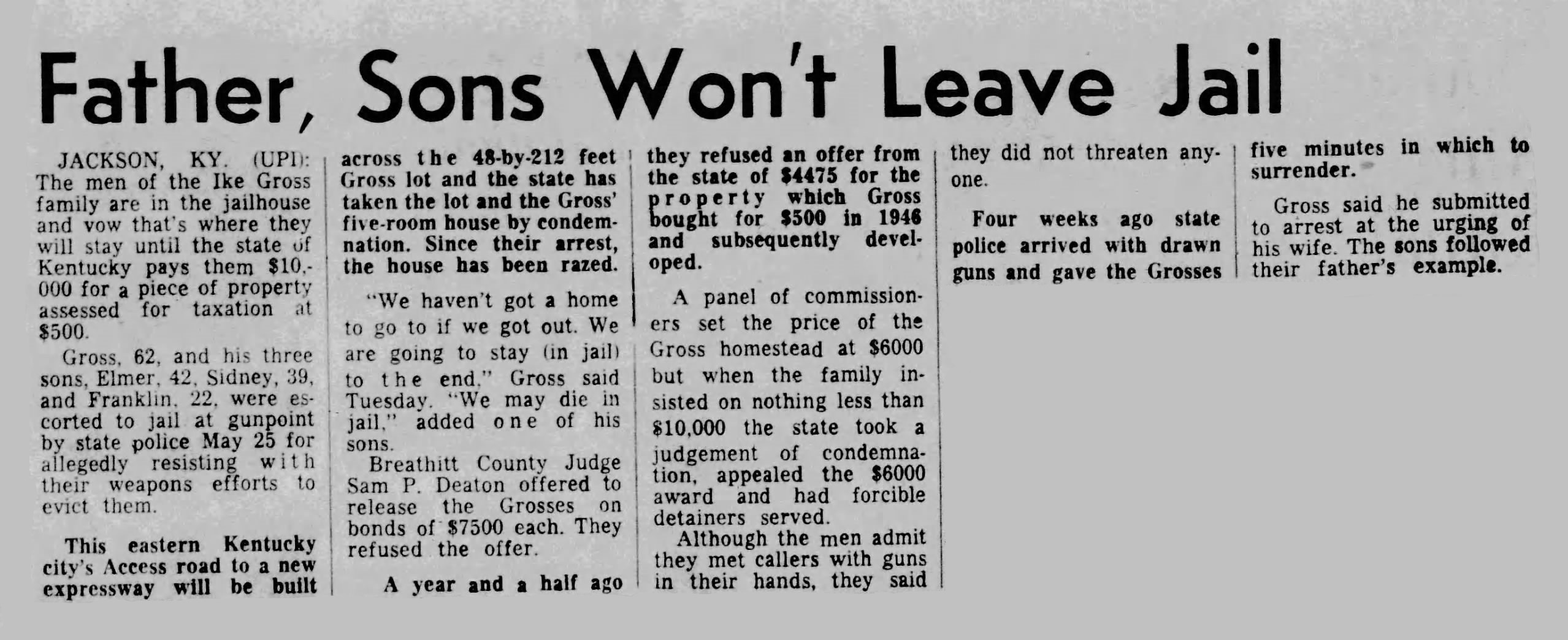
including this article from the June 21, 1962, edition of The Kentucky Post.
The Murray Ledger wrote that “considering their determination to remain in jail and the state’s determination not to pay the asking price, authorities seem faced with a far more difficult eviction than the last one.”
While the family sat in jail, workers for Codell Construction, the winning contractor, accelerated their efforts to complete the connecting road, known as the Jackson Spur, from Main Street to the new highway.
The Grosses eventually accepted their release and took the $6,000 offer in February 1976. The state filed its Master Commissioner’s deed a few days later.
The Gross family moved into a home at 1184 Main Street. As they aged, Cora’s illnesses forced her into the Nim Henson Nursing Home, where she died on March 10, 1982. Ike died at the age of 89 on July 6, 1986. They were buried in the Johnson Cemetery on Jett’s Creek.
Franklin died in 1985, Elmer in September 1992, and the last of the home defenders, Sidney, passed on January 1, 2005.
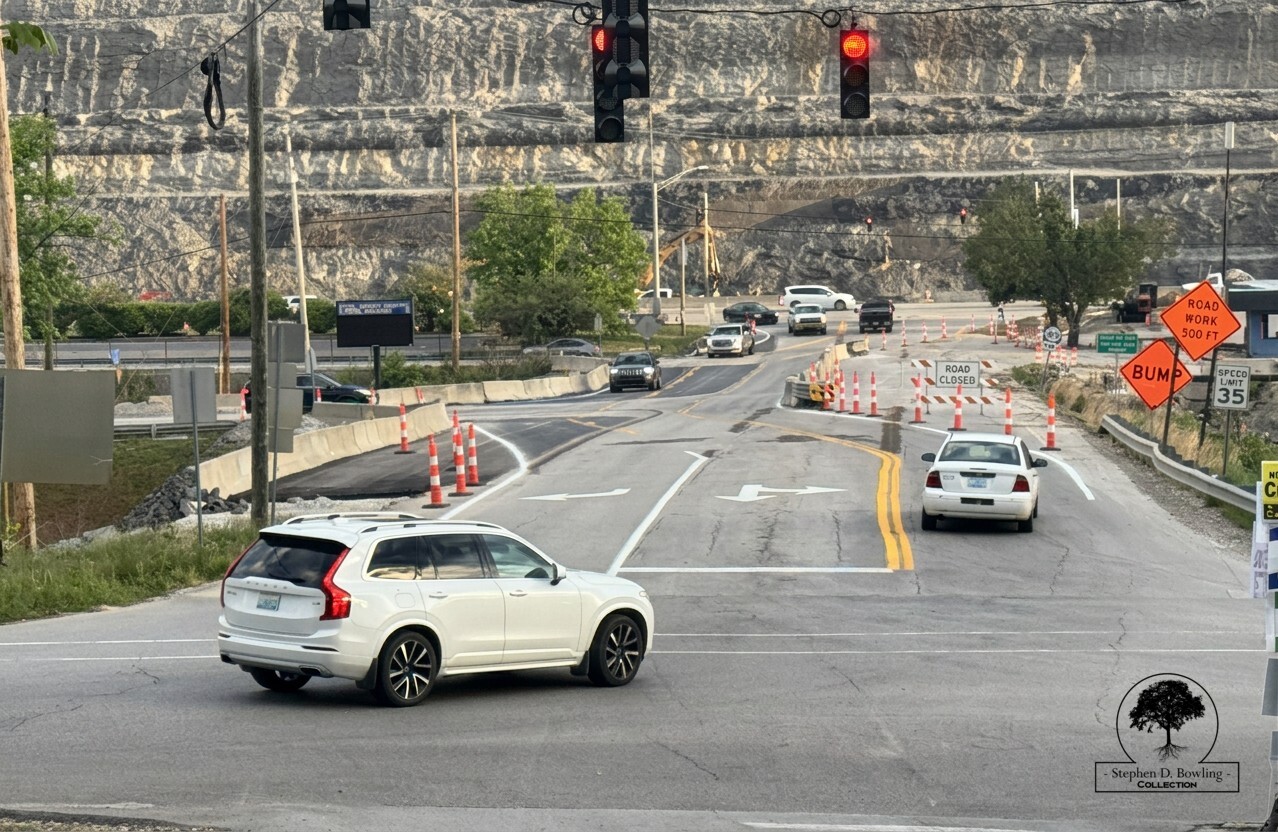
The Kentucky Department of Highways is currently expanding the Jackson Spur as part of the Highway 15 Expansion project, reinforcing the dam, widening the roadway, and adding sidewalks.
Hundreds of thousands of drivers cross the narrow Jackson Spur every year and drive over the former site of the Gross home, never knowing the story or the events that sent the Gross family to jail and destroyed a family home in the name of progress.
© 2026 Stephen D. Bowling


