By Stephen D. Bowling
The look on Jess Fields’ face as he lay dying on Smith’s Branch must have been one of shock.
He closed his eyes for the last time, a minute or two after 2:00 a.m. on April 26, 1900, and died from a gunshot he received from the business end of his friend’s pistol.
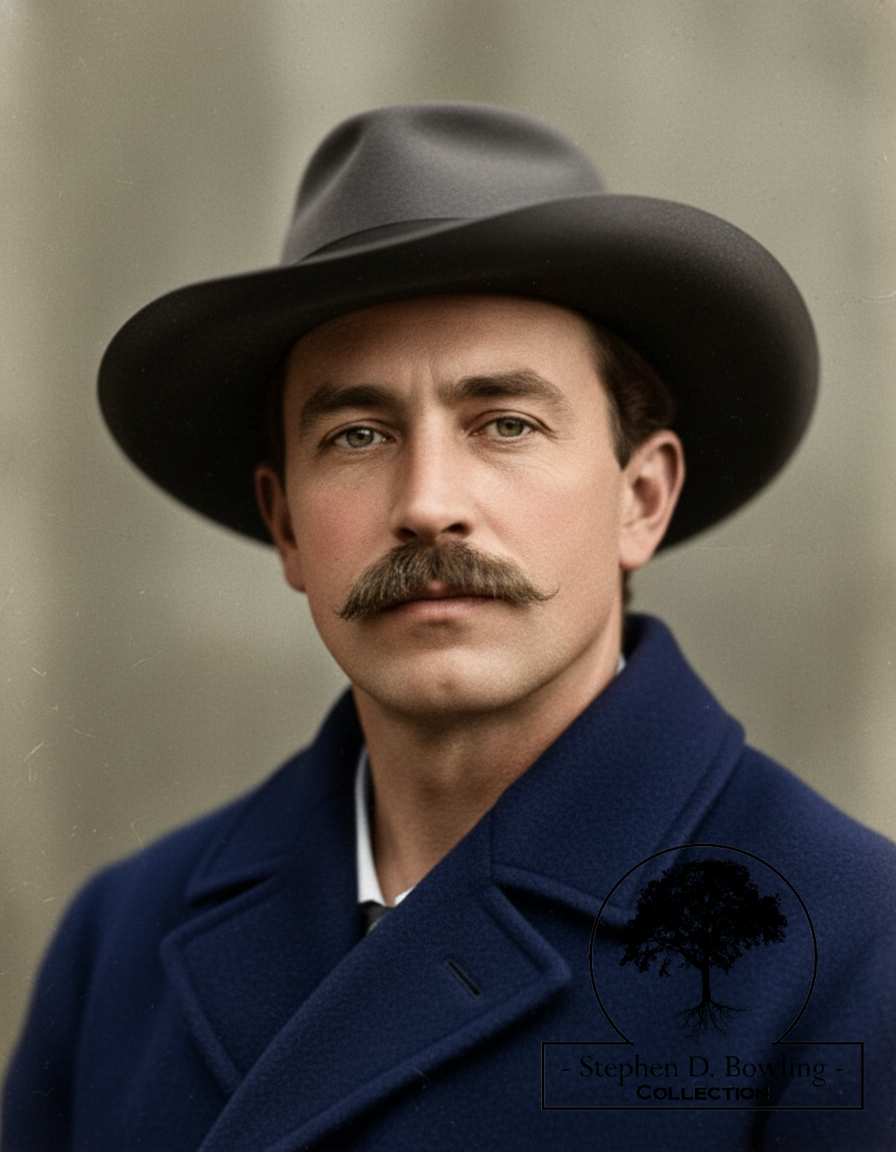
Jesse “Jess” Fields was born in Perry County, Kentucky, on December 1, 1857, to Henry and Louisa (Combs) Fields.
He grew up in Perry County and soon gained a reputation as a “Bad Man” in the French-Eversole Wars after siding with Fulton French. He frequently did special jobs for the French faction and served as his personal bodyguard.
By the late 1800s, pressure on the French faction led to the fracturing of the old gang following several arrests and indictments. Jess Fields moved to Buckhorn Creek in Breathitt County to avoid the “heat.” He later invested in a store/tavern on South Fork.
On Tuesday, April 24, “Bad” Mose B. Feltner and Farmer Gilbert left Jackson, headed to Smith’s Branch of South Fork to the grocery store and “blind tiger” operated by Jesse Fields and Henry Cornett. Reports indicated that Mose Feltner had come there to collect some money that Jesse Fields allegedly owed him.
Along the river road, Feltner drank heavily as his horses plodded along. Feltner arrived at the store, and a short time later, Fields arrived.
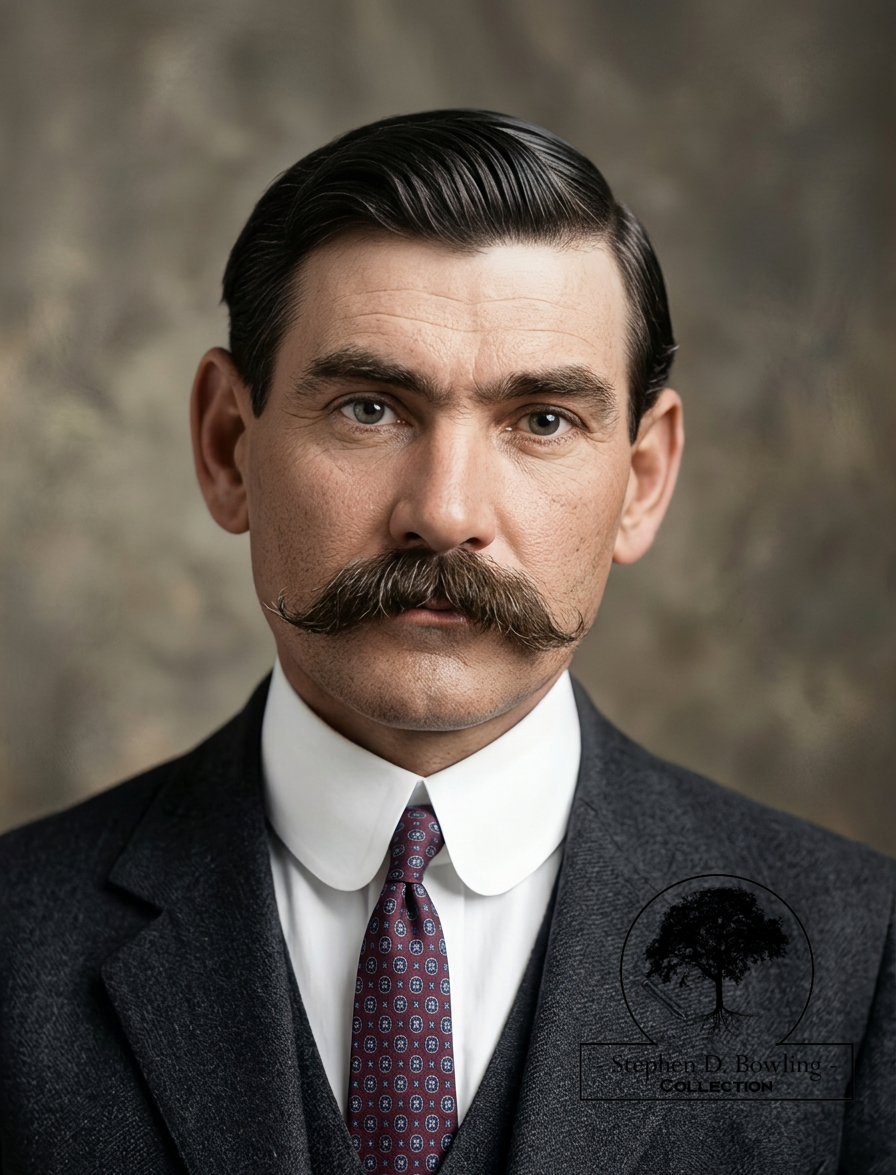
Witnesses standing on the small porch heard “hot words” as both men dismounted in front of the little bootleg shack. They soon scattered when both men drew their pistols and ran for cover.
Jesse Field ran a few yards and jumped over a section of split rail fence, finding some protective covering in one of the stacked chestnut joints in the corner of a barn lot.
Mose Feltner hurried about twenty yards and found cover on the ground behind a small mulberry tree.
No one was standing on the porch when the firing started. The two combatants sighted their weapons, and each reportedly fired six shots. The newspapers that wrote about the exchange said they fired “without the least effect.”
With empty pistols, friends of both men managed to calm the two “frenemies” and persuaded them that honor had been satisfied. Farmer Gilbert convinced both men to give their weapons to him “in order to avoid the temptation of perforating each other.” Fields and Feltner shook hands in the roadway and agreed to be “friends once more.”
Witnesses said that “all was peaceful and quiet.” For the rest of the afternoon, the two men drank and sang together. They smoked their pipes and enjoyed the company, by all accounts.
As darkness fell on Smith’s Branch, Mose Feltner announced that he was leaving. Gilbert returned his pistol and handed Fields’ gun back. Feltner and Farmer Gilbert mounted their horses and rode by the store. Jesse Fields walked to the door and stood as Feltner and Gilbert approached the store.
As Feltner passed, he drew his pistol and fired two shots in rapid succession. Fields fell straight back into the floor of Cornett’s tippling house. Unhurried and unconcerned, Feltner continued slowly up Smith’s Branch and out of sight.
Fields lay bleeding with a large hole in his right breast just below the nipple. The bullet reportedly passed through Fields’ body diagonally and stopped just above his left hip. He was paralyzed from his chest down.
Cornett and Robert Fields carried Jess to a small “pallet” in the back of the store. For the next twenty-four hours, he drifted in and out of consciousness. Early on Wednesday, Jess told Robert that both Gilbert and Feltner fired at him “at the same time.” He said that he did not know whose bullet struck him.
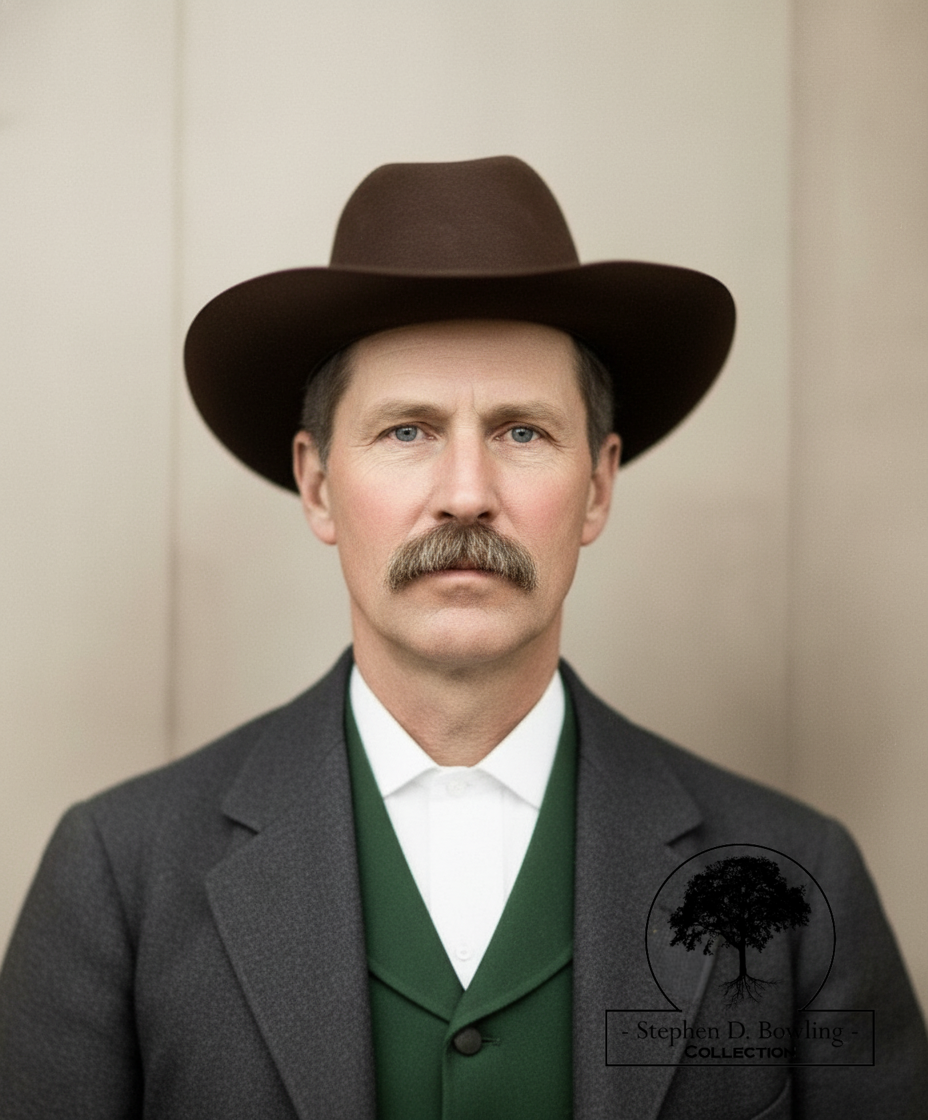
He groaned and cried and then went silent late in the evening of April 25. He never stirred again.
His brother, Robert Fields, noticed about 2:00 a.m. that he was not breathing. He lit a lamp and confirmed what he believed- Jesse Fields was dead.
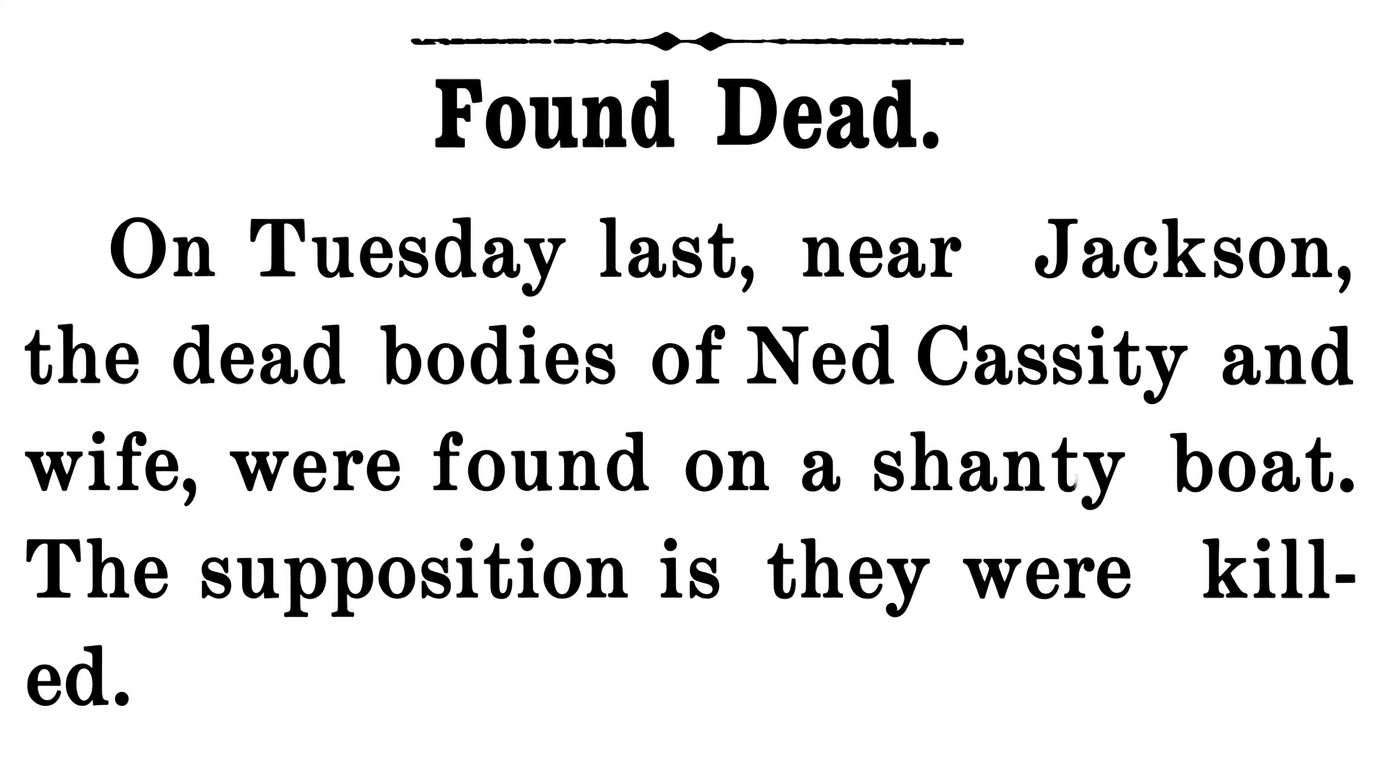
The shooting of Jesse Fields was not “Bad Mose” Feltner’s first brush with the law. He had numerous warrants in Breathitt, Knott, and Perry Counties. Most recently, he was connected to the February 18, 1900, murder of Ned Cassidy and his wife at Elkatawa. A Breathitt County Grand Jury indicted Feltner, Farmer Gilbert, and Pleas Miller for the crime. When the shots were fired on Smith’s Branch, he was under a $4,000 peace surety bond for that double murder.
For years, Mose Feltner was a well-known member of the Fulton French Gang in Hazard and Breathitt County. Newspapers of the day recorded many of his exploits. They described him as a tall, muscular man who was a “desperate fighter” and a “dead-shot.” Feltner was noted as “generally feared in the section where he lived and was considered a bad man, especially when drunk.”
During the French-Eversole War, Feltner was indicted and tried for the murders of Josiah Combs and two others. He was acquitted in every case.
News of the murder of Jess Fields spread quickly, and several officials from Jackson traveled the six miles to the Cornett store.
Rumors circulated in Jackson that Jesse Fields had dictated a five-page confession to two local attorneys detailing every crime he had committed for Fulton French and James H. Hargis after he realized that the sucking chest wound would be fatal.
A reporter for The Lexington Herald reported on April 27, the unnamed attorneys “refuse to divulge much of its contents for the fact that they desire to have some persons captured who are not in the hands of the law before the contents are made public.” The reporter added that the confession “states positively” who was responsible for the Ned Cassidy murder.
The exact cause of the shooting has been lost to history. Neighbors told reporters who came to the scene to gather news of “Bloody Breathitt’s” latest exploits that Feltner and Fields had been partners in the whiskey-selling business, and Fields may have owned a portion of Cornett’s Smith’s Branch establishment. It was reported that the men had disagreed over “the money invested.”
Deputy Sheriff Thomas Hounshell went to the store and soon pursued Mose Feltner and Farmer Gilbert. He tracked him out of the head of Lost Creek and into Perry County by following drops of blood.
Hounshell’s small posse nearly cornered Feltner in Perry County, but he escaped. It was not until several hours after Fields died that Hounshell finally caught up with his target in Leslie County after a two-day manhunt. Feltner was arrested as he lay in bed.
It was discovered that Moses Feltner himself had been wounded. It is unknown when, but one of Fields’ bullets, fired at the first fight or, as Feltner claimed, as he left the store, had hit the fleeing man in the leg. He had lost a great deal of blood by the time he reached his home in Leslie County.
Hounshell placed Feltner under arrest, and Feltner agreed to travel back to Breathitt County and stand trial for the Fields murder after his wound had healed sufficiently. He did not keep his word and was later captured in Knott County in June 1900.
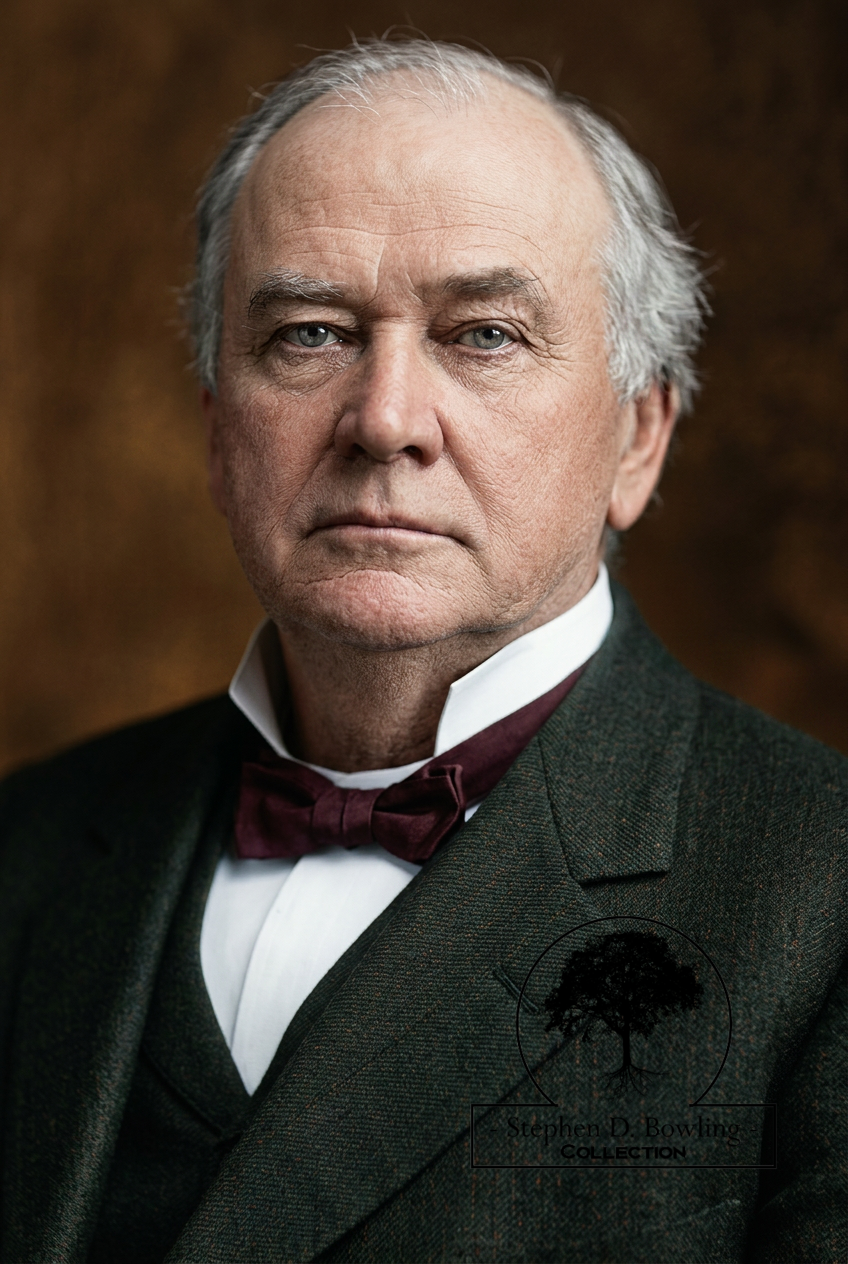
Jesse Field’s body was wrapped in a sheet and loaded in a small buckboard. Two deputies and his brother, Robert, accompanied the body to his home on Broadway in Jackson when it was washed, clothed, and placed in a coffin. The next day, he was taken to Buckhorn Creek near the Perry County line and buried, most likely in the Noble Cemetery. His grave is not marked.
Mose Feltner was indicted for the murder of Jess Fields by the Breathitt County Grand Jury on June 6, 1900. He was ordered held without bond. On June 21, Judge Robert Riddle set his bond at $3,000, which he posted later that day with the help of J. J. C. Bach, Leander Howard, Apperson Lovely, J. D. Cope, and M. D. Back.
After some legal wrangling, Feltner was tried in the Breathitt Circuit Court and convicted of Manslaughter. Feltner’s Attorney, James B. Marcum, of Jackson, appealed his conviction based on the admission of Jesse Fields’ “dying statement.”
Before the Court of Appeals, he argued that the statement was incomplete, incompetent, and prejudicial. The justices of the Court of Appeals agreed and reversed the conviction, remanding the case to the Breathitt Circuit Court for retrial on October 23, 1901.
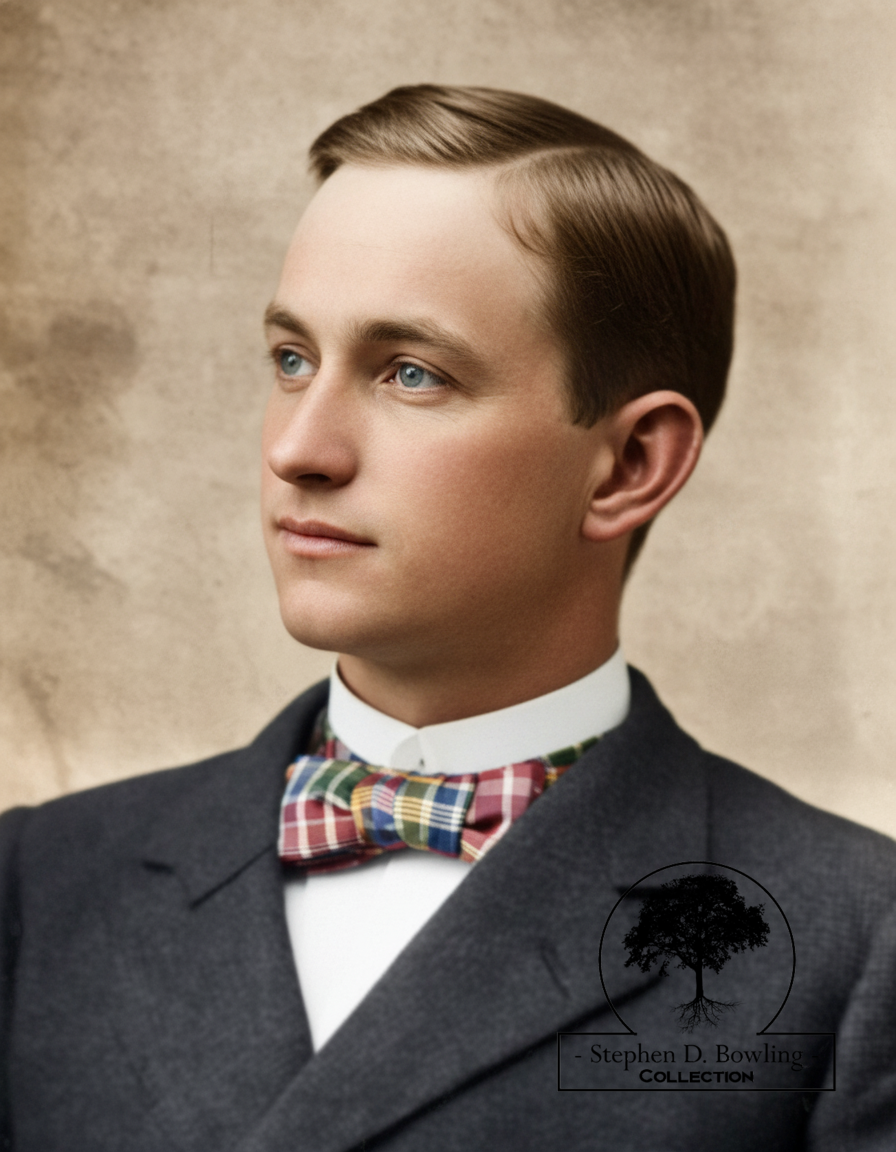
Because of Feltner’s fame and reputation, the case was transferred to Irvine for trial in Estill Circuit Court. After a series of delays, the trial finally started in 1905. Evidence was presented and refuted. Feltner’s version of events changed. They also revived the theory that another man had cause and opportunity to have Fields killed. The defense was enough to convince an Estill County jury that reasonable doubt did exist.
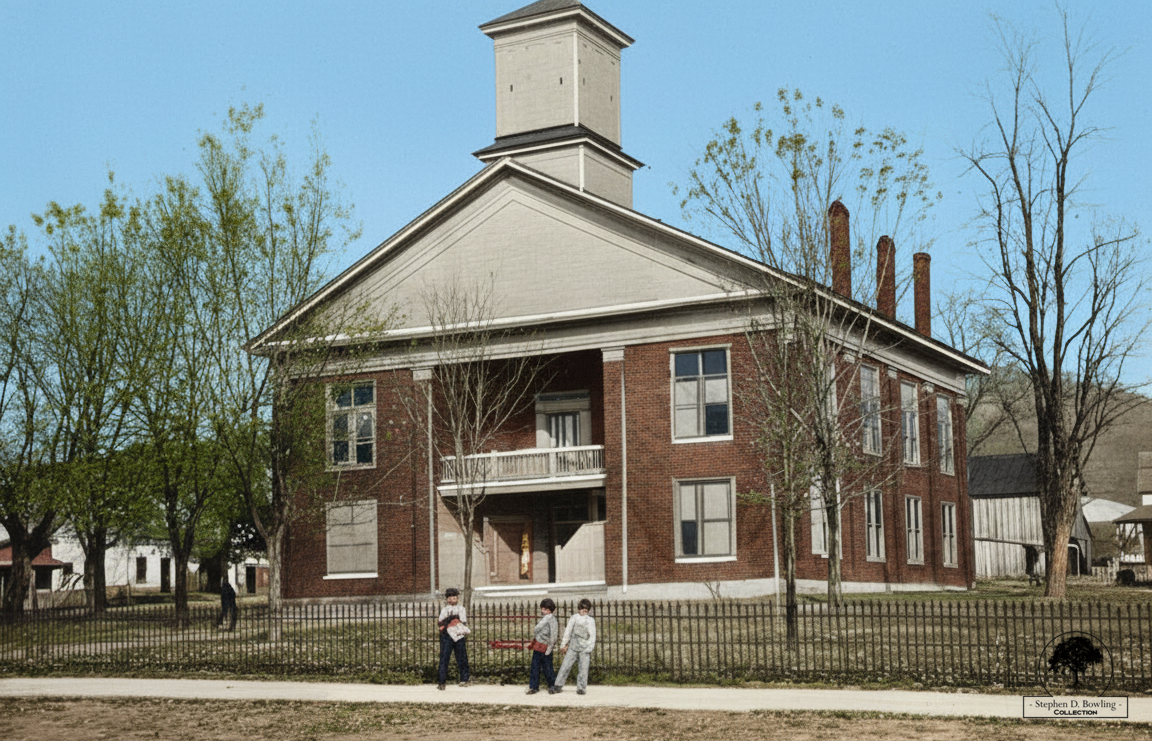
After an hour of deliberation, the jury in Irvine returned a verdict for Feltner of “not guilty” on all charges. It seemed that he had dodged another legal bullet.
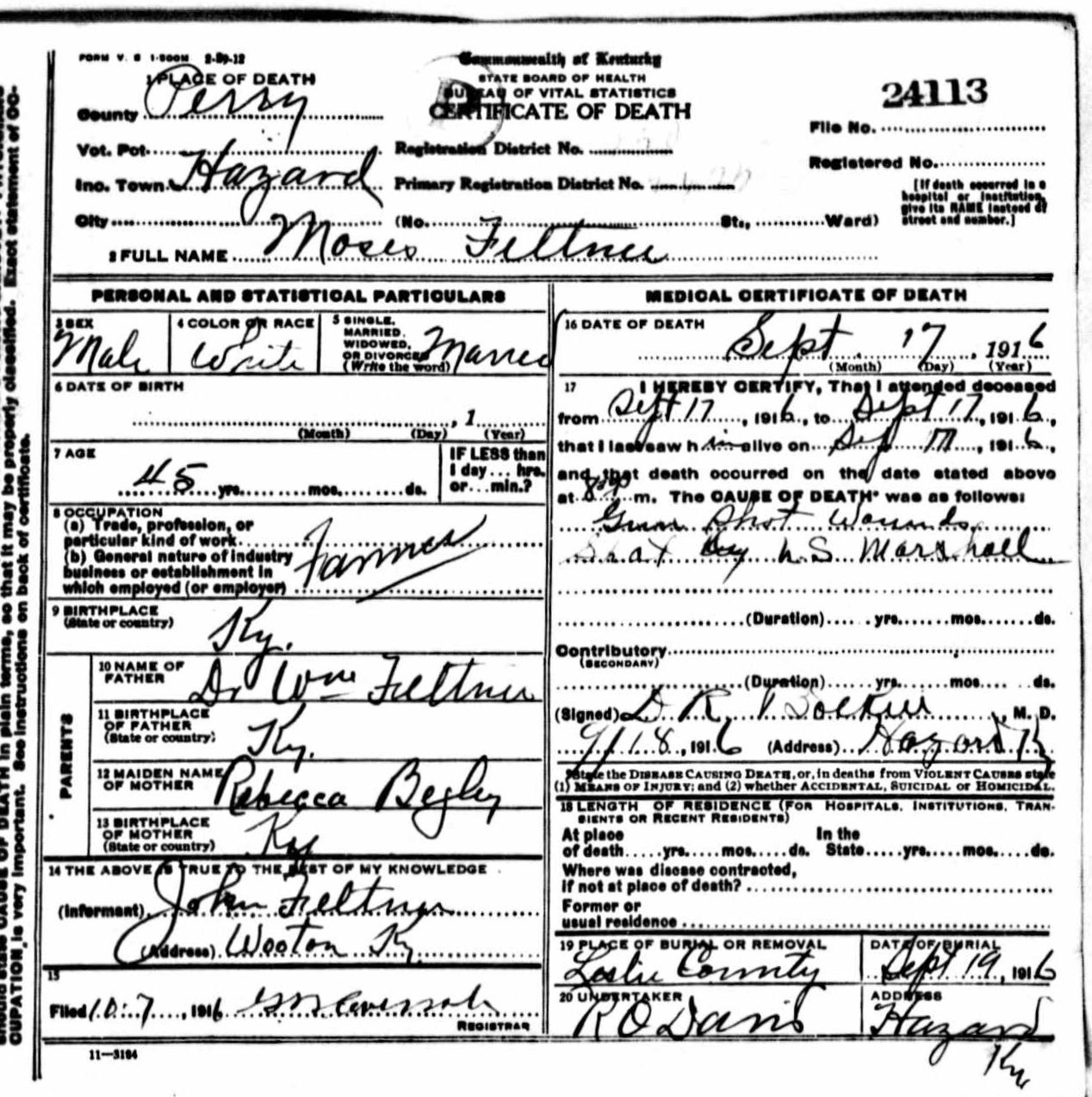
Mose Feltner’s reign of terror in the mountains lasted for another sixteen years. On September 17, 1916, he was walking on Main Street in Hazard when he encountered Deputy United States Marshall George A. Sizemore. Other reports indicate that Feltner was arrested at his home.
Sizemore placed Feltner under arrest and proceeded to take him to the Perry County Jail “for violation of the revenue laws” after failing to pay the taxes on whiskey.
Legend holds that Feltner laughed, picked up Sizemore, and either tossed or set him over a fence into a yard before walking away. An article in The Hartford Republican said that Feltner made a “dash for liberty” before Sizemore fired three shots at him. One of Sizemore’s down-range lead found its mark and passed through Feltner’s heart, killing him instantly.
The Paris Kentuckian-Citizen printed that “Feltner’s death was a logical conclusion to his stormy life.”
Mose Begley Feltner was taken from Hazard to his home near Avawam, Kentucky. The next day, he was buried in the Lewis-Feltner Cemetery. He was 45.
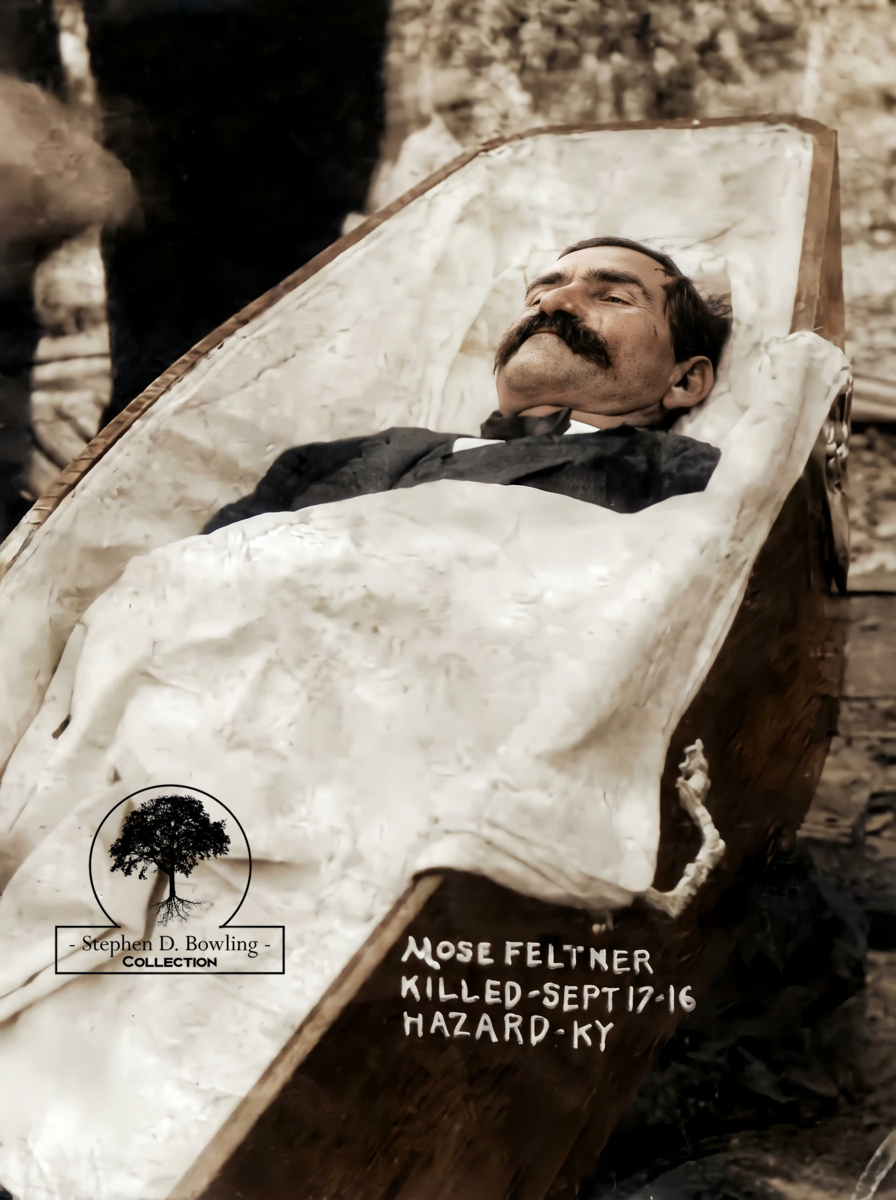
A Lexington editorialist commented that with each feudist’s death in Bloody Breathitt or Perry County, there was one less bad man to fear in the mountains.
© 2026 Stephen D. Bowling
Some images have been enhanced using artificial intelligence. Only the focus and color have been altered.


This was a very interesting read. Mose Feltner was brother to my great-great grandmother Alabama Feltner.
LikeLike