By Stephen D. Bowling
Nearly everyone around Crockettsville saw it. It swooped low in the sky and got lower to the ground with every pass. Then it landed.
On the evening of November 14, 1943, Breathitt County got an unplanned visit from a United States Army Air Corps airship that made an emergency landing on the Irvine C. Turner farm at Crockettsville.
The large green “bird” was forced down after the winds rose during the day and the glare from the setting sun caused problems. Officials later said that the winds were a danger to the crews of both the plane and the glider.
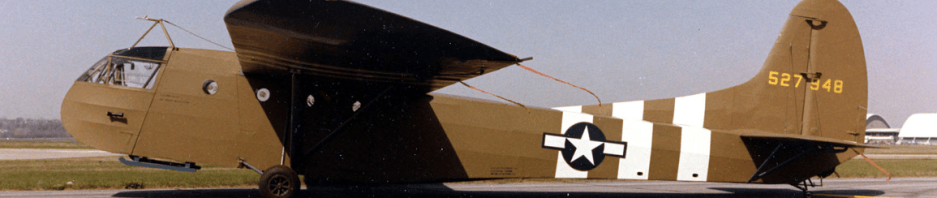
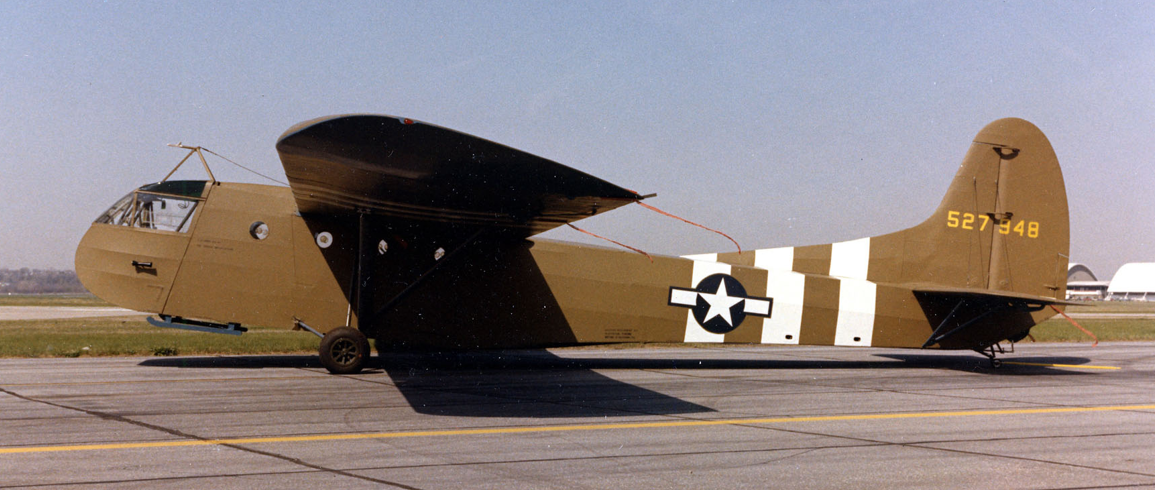
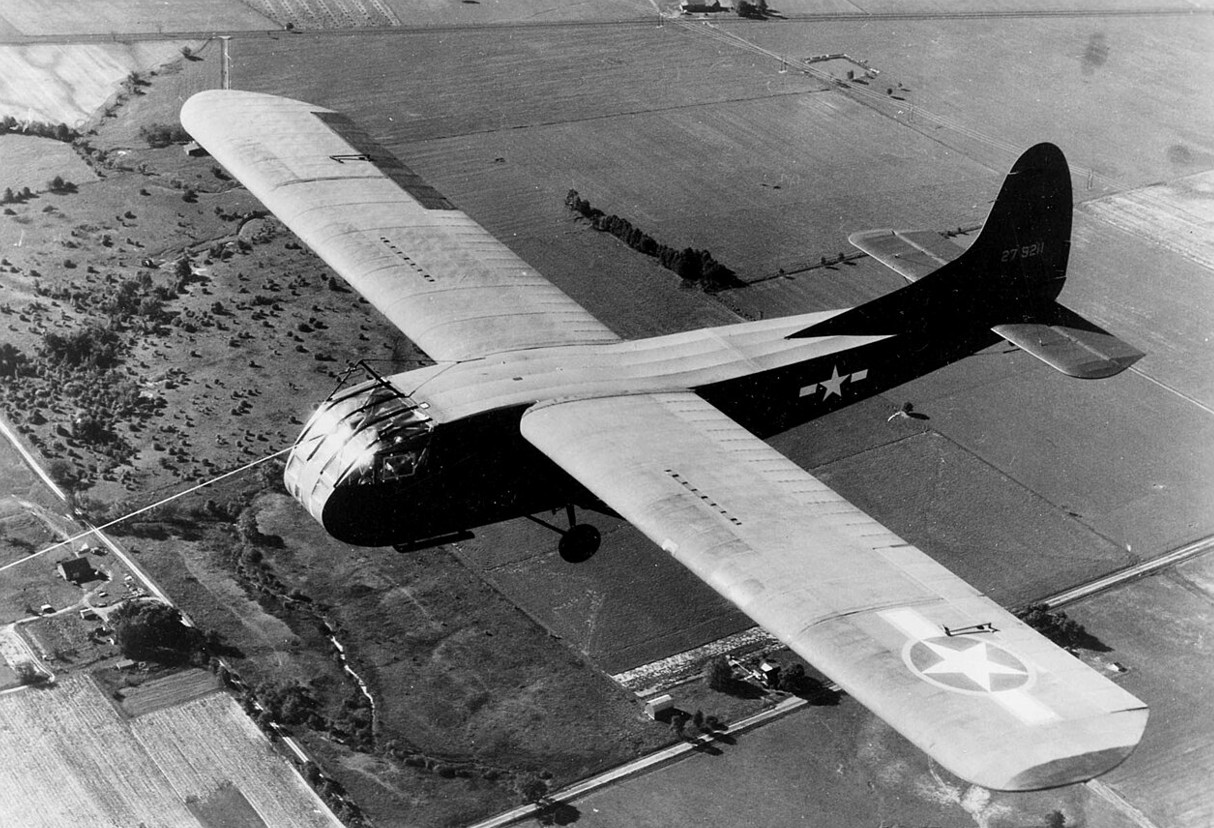
The big bird was a Waco CG-4A United States Military Glider that was being tested after some modification had been made to the design. The canvas-covered glider, which was described as a tactical transport aircraft, was 48 feet long and had a nearly 84-foot wingspan.
According to reports, an airplane took off from an airfield near Fort Knox. Behind the plane was a 300-foot nylon rope that was attached to the glider. Inside the towed glider were a pilot and two soldiers. They reached altitude and flew into strong winds to test the glider’s controls and maneuverability.
The glider was a redesign after the failures of Operation Ladbroke. Planned and executed in July 1943, Operation Ladbroke was the Army’s invasion of Sicily off the coast of Italy. The aim was to establish an operation center for the planned invasion of Italy and southern Europe during World War II.
Planned as an air and amphibious invasion, gliders were used extensively to deliver loads of soldiers, thirteen at a time, or limited equipment to isolated locations, often behind enemy lines. The gliders, which had no engines, had the advantage of silence as they glided to their destination. The great advantage was also its bigger weakness.
Without a means of powered flight, it was vulnerable to high winds, and the campaign to take Sicily had proven costly, as the glider corps suffered heavy casualties after the tow-line disconnected early, often over water, due to turbulence.
The new model that circled Crockettsville was a newer model, and the Army was testing changes.
Late in the evening, residents along the Middle Fork heard an airplane flying low. Many went to their porches and, squinting against the setting sun, looked up to see the plane with the glider in tow.
Witnesses said that they “first heard and saw the plane which roared downward and circled close to the ground, obviously seeking a place for the glider to land.”
The plane zeroed in on the large field on Turner farm. The plane circled the field several times and the plane “cut the glider loose. Around and around, the glider circled several times before it “gradually” landed.
Apparently, the pilot misjudged the speed and the length of the field and quickly ran out of room to safely bring the glider to a stop. He crossed the field and the glider, “running up the hillside” some distance, finally stopped just short of the wood line.
The airplane circled several times and then flew on to its destination.
Witnesses said that the glider sustained “considerable damage” when the front end hit the hillside during the landing. Two of the soldiers inside the glider were shaken up but “mostly uninjured.” The pilot, however, received “several slight cuts and bruises.”
The soldier walked to the Turner home after residents rushed to the downed plane. After connecting to the Middle Fork Phone Exchange and then to Fort Knox through the Jackson phone system, the soldiers reported the landing and their location.
Three locals were stationed at the crash site to guard the glider, and the three soldiers were brought to Jackson, where they checked into the Jefferson Hotel until Army officials arrived on November 15.

On Wednesday, Lieutenant Delbert Harwood, Haskel Schlenski, Bernard Gude, and a Mr. Robinson arrived from Fort Knox to investigate the landing and the condition of the glider. Lt. Harwood was the official representative of the United States Army Air Corps, and the other three represented the glider designer and manufacturer.
The men were taken to Crockettsville. After walking through the field and surveying the damage, the men determined that the ship was too badly damaged to be salvaged intact. They removed the “sensitive equipment” and the reusable parts.
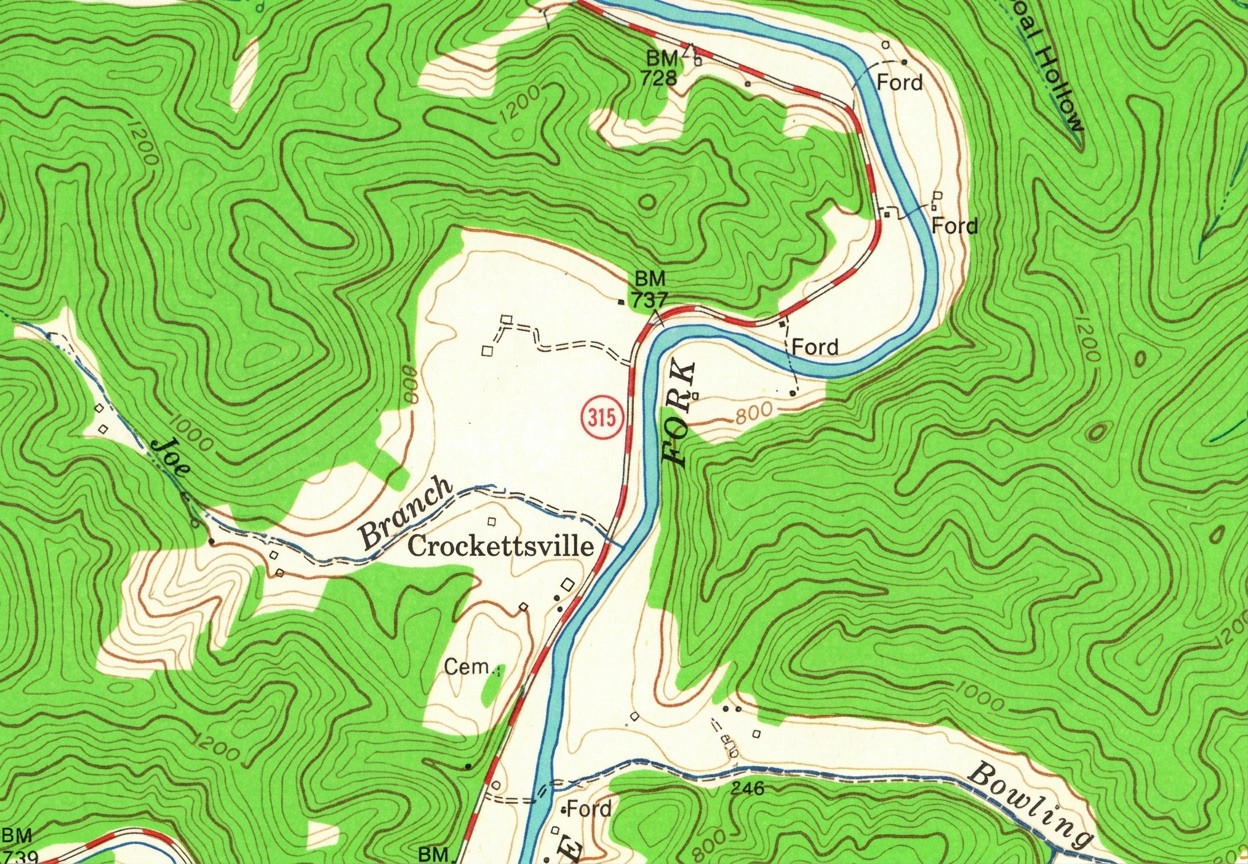
Lt. Harwood reported to Fort Knox that the Army would burn the glider at the crash site because it was “impossible to move it from the isolated section of the county in which it is located.”
The news of the emergency landing spread quickly, and an Army representative worked to keep back the crowds. To appease the gawkers, officials cut small pieces of the plane’s canvas and distributed them to the onlookers “if they would agree to leave.”
Over the next two days, the glider was torn apart, with the help of a few locals, and the wooden frame and the remaining canvas were burned at the edge of Turner’s field.
The lessons learned at a Crockettsville field and from hundreds of other test flights helped improve the controls of the “disposable planes” that glided hundreds of thousands of troops into combat for the next two years of war. Improvements made after the emergency landing in Breathitt County in November 1943 would help the Allies land troops and supplies behind Nazi coastal defenses during the D-Day Invasion in June 1944.
© 2026 Stephen D. Bowling
Some images were enhanced using artificial intelligence.


