By Stephen D. Bowling
July 7, 1963 — He heard it long before he saw it. The engine sputtered and shut off. Standing just a few hundred yards away, Jeff Terry could easily hear the small engine struggling overhead. He told The Jackson Times that he saw the plane drop out of the clouds and plummet to the ground. There was no explosion, but all six onboard died.
The crash was a tragic ending to a fun-filled holiday trip “home” for the Edinger and Wilson families.
Fred Wilson and Paul Edinger worked for the Kewaunee Technical Furniture Company of Statesville, N.C., although in different departments. Paul started working for the company in October 1962 when he moved his family south from Michigan. Kewaunee Furniture hired Edinger as one of their leading chemists in the laboratory, who was responsible for experimenting with new materials for office and industrial furniture. He was well known for his work with plastics and imitation leathers. Wilson was a shipping clerk for Kewaunee’s warehouse.

Wilson and Edinger became friends soon after he arrived in Statesville. On New Year’s Eve in 1962, Fred Allen Wilson, 20, and his fifteen-year-old bride, Violet T. Mills, were married in Alexander County, North Carolina, by J. R. Stewart, Justice of the Peace. Violet was born in Kankakee, Illinois, and attended Momence High School.
Fred and Violet Mills were frequent guests at the Edinger home, and they spent evenings together playing cards. Family stories also indicate that the couples enjoyed several mini-vacations together in the mountains of North Carolina.
Fred Wilson and Paul Edinger also shared other interests as well. In 1962, Paul started pilot lessons and worked through the training to become a pilot at the airport in Statesville, North Carolina. He spent many evenings at the airport, working on takeoff and landings. By the Spring of 1963, Paul Edinger was a certified pilot. Fred was also interested in flying but had not started his training.
He made several short flights around Statesville and a few flights to Raleigh. Most of his flights were for pleasure and during ideal conditions. Later reports indicated that he lacked experience in stormy or high-shear weather. Nothing he had experienced prepared him for the storms that bloomed over Kentucky on the afternoon of July 7, 1963.
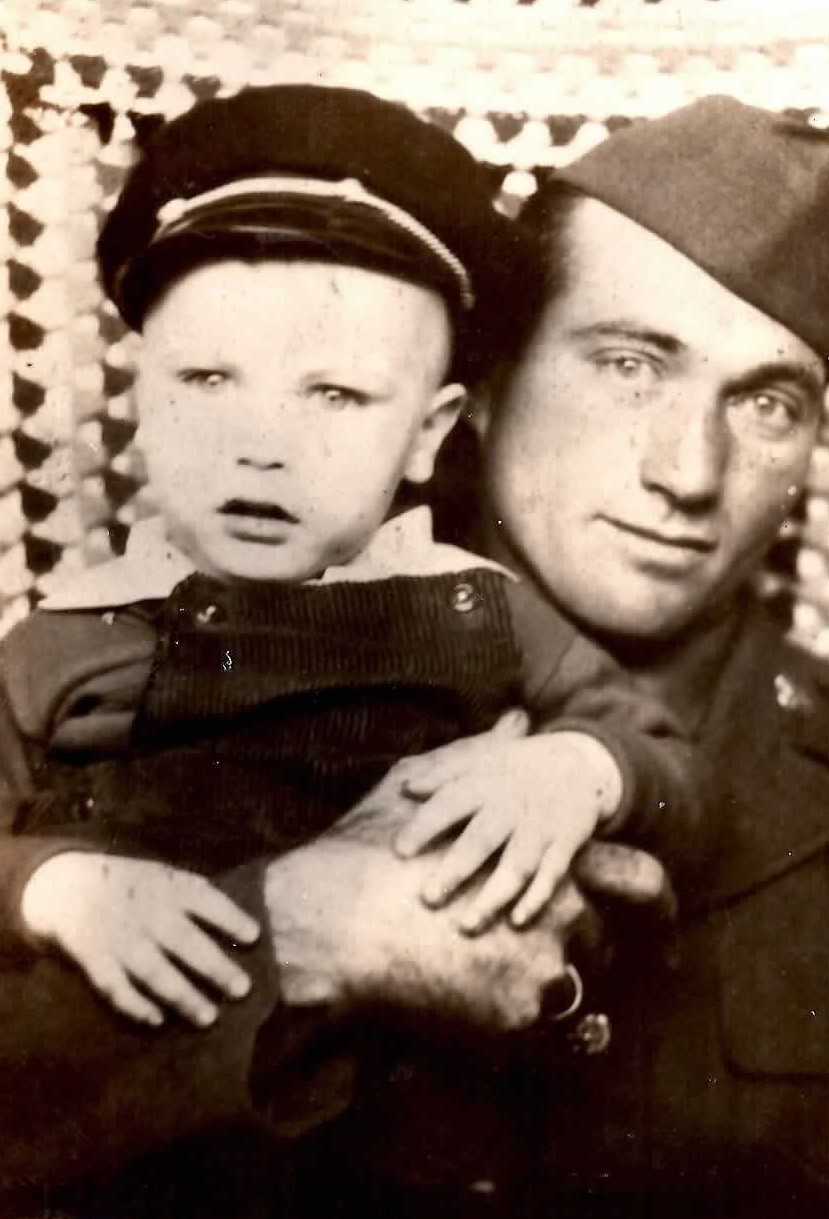
Paul Richard Edinger, 28, and his wife, Joyce Viola (Yother) Edinger, planned a trip home to Michigan over the Independence Day holiday in 1963. On Wednesday, July 3, the Edingers, their two children, and the Wilsons flew from Statesville, North Carolina to Kankakee, Illinois. The Wilsons got off to spend the holiday with her relatives. Paul Edinger flew his family to their former home in Palmyra, Michigan.
Having enjoyed their return to Michigan and the Independence Day holiday, Edinger, his wife, and two children loaded their luggage. They boarded the red and white Piper Tri-Pacer in Palmyra and flew south on the morning of July 7. Weather reports called for turbulent skies, but forecasters thought the storms would blow through southern Indiana and Kentucky by midafternoon. Edinger’s plane landed in Kankakee, and Fred and Violet Wilson boarded with their luggage. Paul Edinger’s Piper lifted off, planning to refuel and take a short break at Lexington.
Edinger’s plane stopped at the Blue Grass Airport in Lexington, and crews filled the plane’s tanks. They ate lunch and spent a little time waiting for several thunderstorms in Eastern Kentucky to clear. The families boarded the plane and took off for North Carolina with low clouds and a 1,000-foot ceiling.

The flight was apparently uneventful until the plane neared Vancleve. Exactly what happened that afternoon in the thick clouds over the Kentucky mountains is not known. Investigators attempted to piece together a likely scenario of what might have occurred, but their conclusions were only theories based on observations. One fact is clear. The plane crashed on July 7, 1963, at 6:45 p.m. in a small hollow just off Highway 15, a little more than five miles north of Jackson. No one survived.
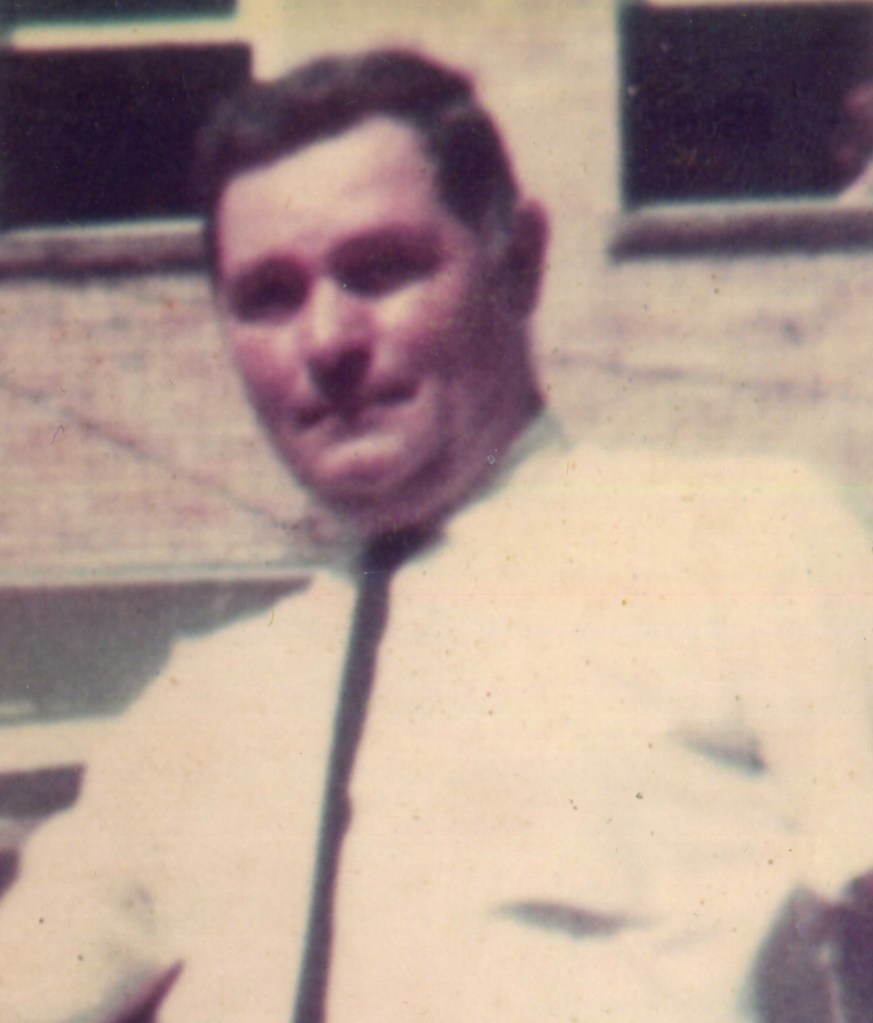
Several witnesses saw the crash and gave their statements to federal aviation investigators the next day.
Breathitt County Circuit Court Clerk J. Wise Deaton told investigators that he was standing in his yard about 500 yards from the crash site when he heard the low-flying plane. He stated that the engine was “running irregularly” and that the right wing “appeared to be broken.” Deaton said the aircraft “dived into the ground in a whipping spiral.”
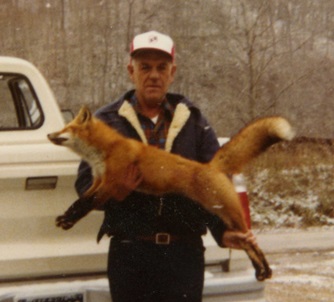
Thomas J. “Jeff” Terry, described as a well-known Breathitt County farmer, told The Jackson Times that he witnessed the crash from his home about 200 yards away. Terry said the plane was flying at about 1,000 feet when it went overhead. He told investigators that he saw the plane “break through the clouds” with both wings folded against the fuselage and that he heard the motor stop. “It was headed straight for the ground,” Terry said. According to Terry, the motor restarted again and was “running wide open” when the airplane hit the ground just out of sight.
Burl Cundiff, a dairyman who lived nearby, was driving on Highway 15 with his son when the plane “came out of the clouds.” “It was one of the most horrible sights I ever saw,” he told The Lexington Herald. “There was no explosion, and the plane seemed to be in perfect condition before it fell from the sky,” he said. “There was no apparent cause of the crash from what I could see,” Cundiff told reporters.
Eli McIntosh got the “shock of his life,” he told a reporter from The Lansing State Journal in Michigan the next day. McIntosh and several others were fishing in the Kentucky River about 400 yards away near the mouth of Frozen Creek when the tragedy occurred. “It came straight down out of a black cloud. It was spinning and had one wing off,” he said. “I thought I heard it explode,” McIntosh said, “but there was no sign of an explosion or fire when I got up there.”
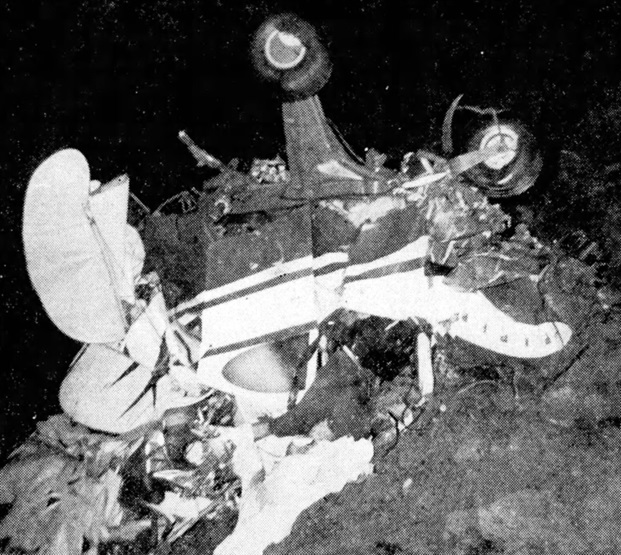
News of the crash spread quickly in Breathitt County. Officials from Jackson raced to the scene. Soon, more than 2,000 spectators, according to one report, showed up to look at the wreckage which could be seen from Highway 15. Many were shocked to see the body of the pilot hanging out of the door of the craft. A sheet was soon placed over the deceased to keep sightseers from taking pictures of the wreckage.
Local officials soon closed access to the area until an aviation official from Hazard was on site. Portable flood lights from Jackson, borrowed from the National Guard, were put in place, and an investigation started. Later in the evening, Ernest Combs, Senior Pilot of the Hazard Civil Air Patrol, arrived and blocked off the area to keep spectators from taking pictures. Federal Aeronautics Administration Inspector T. R. Smiley from Louisville took control of the scene the next morning.
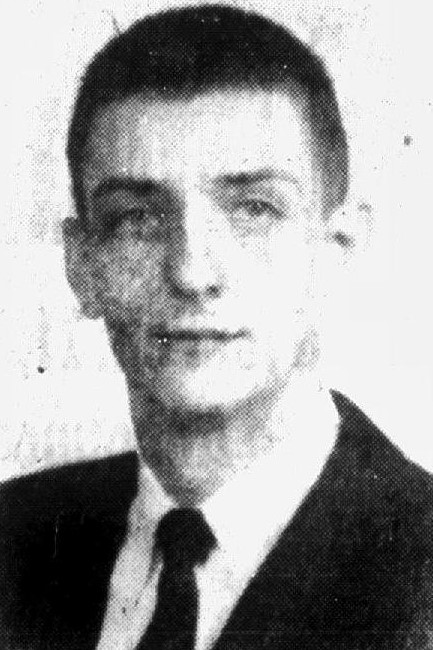
Shortly after 8:00 a.m. on June 8, 1963, Coroner Ed Hollan, James Heston of the Breathitt Funeral Home, and a small crew of men removed the crumpled bodies from the wreckage and took them to Breathitt Funeral Home in Jackson. A hearse took Edinger’s body to the University of Kentucky in Lexington, where an autopsy was conducted to rule out a medical emergency as a cause of the accident. The remains of the other victims were prepared for shipment.
Federal investigators started their investigation but soon focused on the large amount of debris and personal belongings in the plane. They soon determined that the small plane had been overloaded. Based on their investigation, the aircraft was overloaded by “at least 152 pounds based on the plane log book and their own observations.” Their official report noted that the Tri-Pacer and its 135-horsepower motor were designed to carry three people. The wreckage held six.
The investigator’s final report also indicated that they believed the plane, under the control of an inexperienced pilot, flew through a strong storm and “got into the front of the thunderstorm,” one of several that blew through the mountains of eastern Kentucky on Sunday afternoon. The investigators believed that the plane “was not able to stand the stress of the turbulent storm because of overload.” The FAA report indicated that officials believed witness statements accurately identified a failure with one or both wings as the primary cause of the crash. The report noted that it was not raining at the time of the crash, but the storm they believed they tried to outrun dumped precipitation on the crash site only minutes after the craft made its descent to the ground.
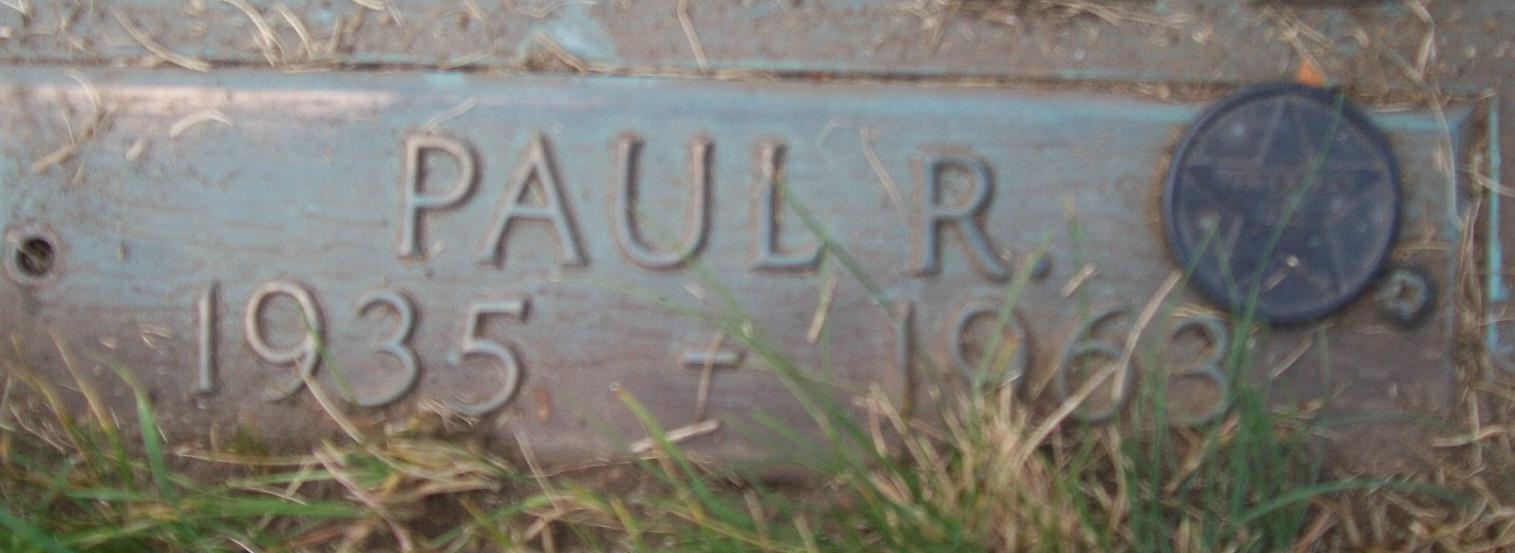
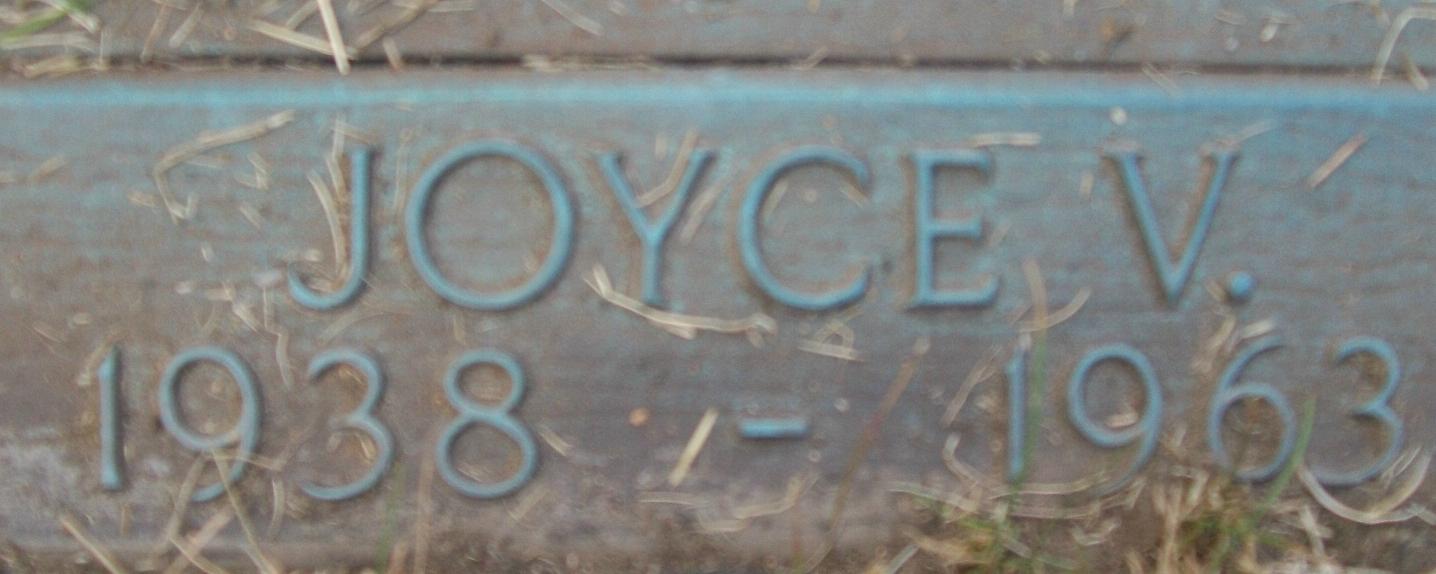
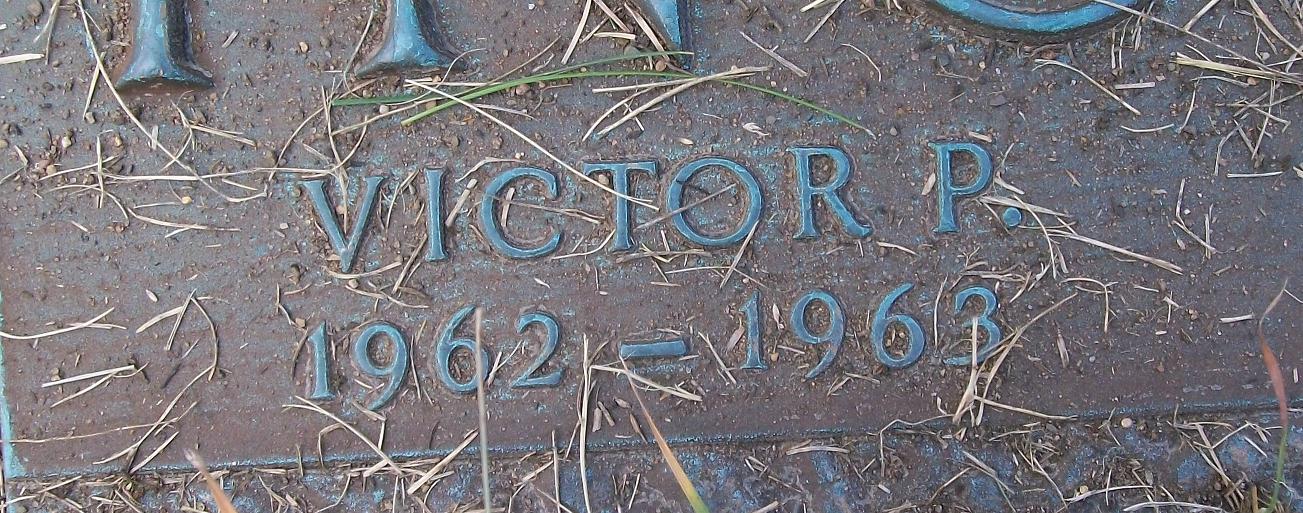
Following his autopsy in Lexington, Paul Richard Edinger, 28, his wife, Joyce Viola (Mills) Edinger, 24, and their children Paula Ann Edinger, 4, and Victor Paul Edinger, 1, were taken to Jackson, Michigan. A large funeral for the four Edingers was held, and the family was buried in the Hillcrest Memorial Park at Jackson in Jackson County, Michigan.
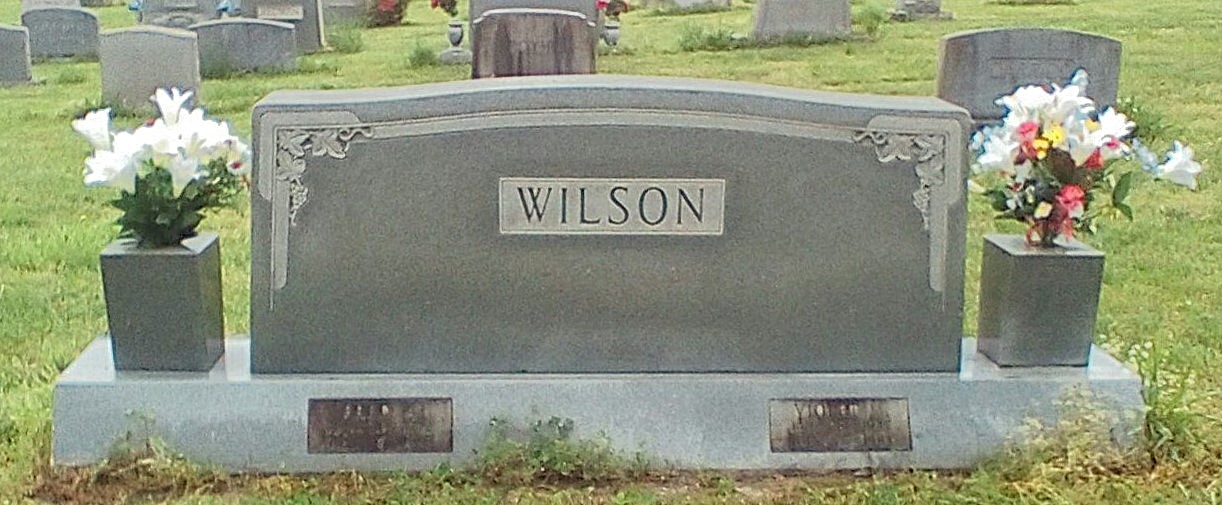
Fred Allen Wilson, 21, and his young bride, Violet Thelma (Mills) Wilson, 16, were returned to North Carolina, where they were buried at the Oakwood Cemetery at Statesville in Iredell County, North Carolina.
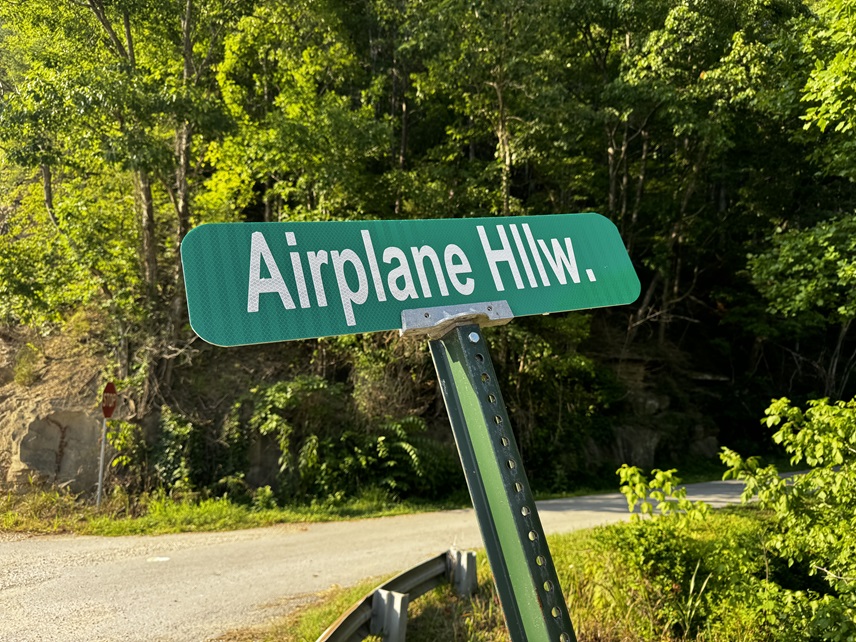
The scenes witnessed by those who saw the small plane crash or the terrible wreckage will likely never be forgotten. For others, little is known about the crash that killed six in Breathitt County. No marker or plaque marks the spot, and the only possible reminder is a small green road sign installed beside old Highway 15 near the intersection of Hoover Bridge Road. That small sign, a reminder of the tragedy there, reads simply – Airplane Hollow.
© 2024 Stephen D. Bowling


