By Stephen D. “Bookie” Bowling
Due to the size of our hiking group and the availability of parking, we will flip-flop Hike Two and actually hike north from the Clear Creek Campground to Morehead. Saturday night’s camp will be about 13 miles in the woods near the Stoney Cover area of Cave Run Lake. We will finish the hike on Sunday morning with a walk “over the hill” and down Mill Creek into Morehead.
Here are a few of the sites you will encounter along the way from Clear Creek Campground to the Morehead Convention Center.
Bath County
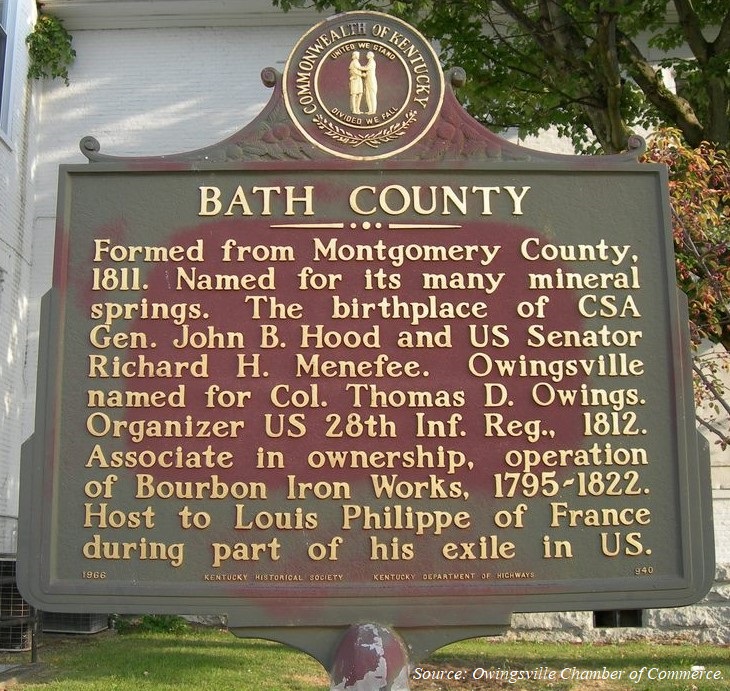
Our hike this month will begin in our third county, Bath. We will hike back into Rowan to complete that section. Legislators approved the creation of Bath County in 1811, and today, the county has a population of 11,591. The county was named for the natural salt springs that were used as medicinal baths from the early days of settlement. The three largest communities in Bath County are its county seat, Owensville, and the communities of Salt Lick and Sharpsburg.
The area that is now called Bath County was once a frequent hunting ground for Native American tribes. Archeological evidence indicates that Bath County has been inhabited for more than 15,000 years. The most famous of the Native American sites is the Ramey Mound near Sharpsburg. The mound was first recorded in 1807 and is believed to have been constructed by the Adena Peoples. The Ramey Mound is listed on the National Register of Historic Places.
Bath County was the birthplace of famed Confederate General John Bell Hood and Senator Richard Hickman Menefee.
Clear Creek Campground

The shuttle from Morehead will drop us at the entrance of the Clear Creek Campground. We will cross the road and start our way up Buck Branch toward Cave Run Lake. The campground operates between the 3rd Friday in March and December 31 each year. Camping sites can accommodate tent camping and RVs and are available on a “first come, first serve” basis.

Clear Creek Furnace
Near the entrance of the Clear Creek Campground, the ruins of the Clear Creek Furnace are located a short walk to the right. Beginning in the late 1700s, Kentucky was one of the leaders in iron production in the United States. Several small furnaces on Clear Creek produced a limited quantity and quality of iron until production ceased in 1857 and remained closed during several economic downturns and the Civil War. In 1873, the furnace was rebuilt and renamed Bath Furnace.

William S. Allen and W. A. Lane operated the furnace from 1873 until its last “blast” in 1875. In 1874, Bath Furnace smelted 1,339 tons of pig iron. Like numerous other Kentucky furnaces, Clear Creek Furnace used charcoal for fuel and was purposefully constructed on a stream to take advantage of steam power.
Limonite, an abundant iron ore found in Kentucky, was frequently mined and used at this location. This specific ore was ideal as it produced an extremely durable iron. The Bath (Clear Creek) Furnace processed ore that was eventually turned into wagon wheels and railroad car wheels. The Clear Creek or Bath Furnace still stands today and is one of the best-preserved nineteenth-century Kentucky iron furnaces.
Buck Branch Trail
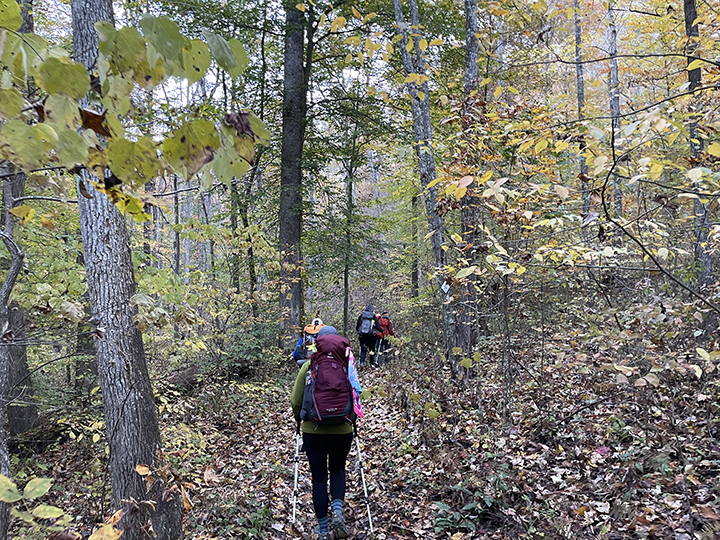
Leaving the campground and crossing Clear Creek Road, the Sheltowee Trace joins the Buck Branch Trail. The Sheltowee Trace and the Buck Branch Trail share 1.6 miles of trail tread as you ascend from the peaceful valley filled with beautiful moss and huge trees to the ridgetop above. This area is named for Buck Creek Hill, a high peak that stands nearby at 1,188 feet above sea level. Gunshots are often heard in this section of the trail as the Clear Creek Shooting Range is less than a mile and a half away.
The Buck Creek Trail #118 (not to be confused with the Buck Branch Trail) begins at Clear Creek Campground and spurs off the Buck Branch Tail. After a long climb up the mountain, it crosses the Zilpo National Forest Scenic Byway before connecting with Cave Run Lake Trail #116.
White Tail Management
The Kentucky deer population was at an all-time low in the early 1900s. Several efforts were made to increase the population, including the establishment of “buck only” hunting seasons and the failed effort to introduce non-native red deer. In 1946, the Kentucky Division of Game and Fish initiated a whitetail deer repopulation effort which included trapping, relocation, habitat improvement, and the creation of deer refuges. By the 1950s, the first significant rise in state-wide numbers was reported. Over the next five decades, the Commonwealth became one of the top 5 in total deer production and harvesting states.

The Kentucky Department for Fish and Wildlife and the Corps of Engineers established a series of wildlife study areas in their “working forest” to gauge the impact of the reintroduction of deer to the Clear Creek area. Over the decades since the 1960s, most of these study areas have been removed, but several remain near the Sheltowee Trace along the old Cedar Cliffs Trail. At least one of the wire-fenced study areas still remains, and one of the original signs can be seen beside the trail.
Cedar Cliffs and the Trail

Cedar Cliffs is an area of large limestone outcrops on the top of the hill overlooking Trough Lick Branch, Wolfpen Hollow, and Buck Branch. These limestone pillars contain several smaller arches that are visible from the Sheltowee Trace. This area sits on the Menifee and Bath County border and was used by early settlers as a crossing point from the Clear Creek area to the Lewis Church community.
The National Forest Service created a system of trails along this ridge, including the Cedar Cliffs Trail, Buck Branch Trail, and the Cross Over Trail. The Sheltowee runs concurrently with the old Cedar Cliffs Trail for more than a mile before dropping over onto the Buck Branch Trail.
Caney Creek and Sulphur Branch
There are two major creek crossings on the hike near the headwaters of Cave Run Lake. Hikers will first encounter the shallow waters of Sulphur Branch. This normally shallow crossing may require hikers to remove their shoes or get wet feet. A half-mile trail leads to White Sulphur Horse Camp and leaves the Sheltowee Trace between Caney Creek and Sulfur Branch. Do not take this trail but continue south on the Sheltowee Trace and away from any more major water crossings on this hike.

After crossing the first crossing, Caney Creek, the second creek crossing, is less than 0.32 miles from Sulphur. Before the lake was constructed, Caney Creek had three major tributaries: Trough Lick Branch, Hickory Branch, and Sulphur Branch. The Caney flooding of the basin changed that and merged the three streams together.

Although it is usually shallow, crossing Caney Creek can be difficult during times of high water. The crossing can be chest-high with backwater from Cave Run Lake. Even in dryer times, the rocks can be very slick and difficult to navigate. Hikers are encouraged to find an alternate crossing upstream when conditions are not favorable for a safe crossing.
Lake Shore Hike
The next section will cover a total of four linear miles in a little over ten trail miles. The Sheltowee Trace follows the “ins and outs” of every embayment and tributary that flows into the south side of Cave Run Lake from the time hikers cross Caney Creek until they make it to Stoney Cove. The six miles that we will follow in and out of the lake coves are only a small portion of the 166 miles of shoreline that the lake has at its summer pool.

The hike offers a variety of beautiful views and lots of wildlife viewing opportunities. Sunrises along the old Caney Loop Trail (now the Sheltowee Trace) are particularly beautiful in the late winter and early spring. This multi-use trail can present mud, ice, rocks, and numerous other hiking challenges, but it is a nice hike. The lakeshore hike passes many culturally significant places, including the site of the old Caney School, which served the children of the area until it was consolidated into the Rowan County School system. Be prepared for some mud and to share this trail with horses and their riders.
Stoney Cove
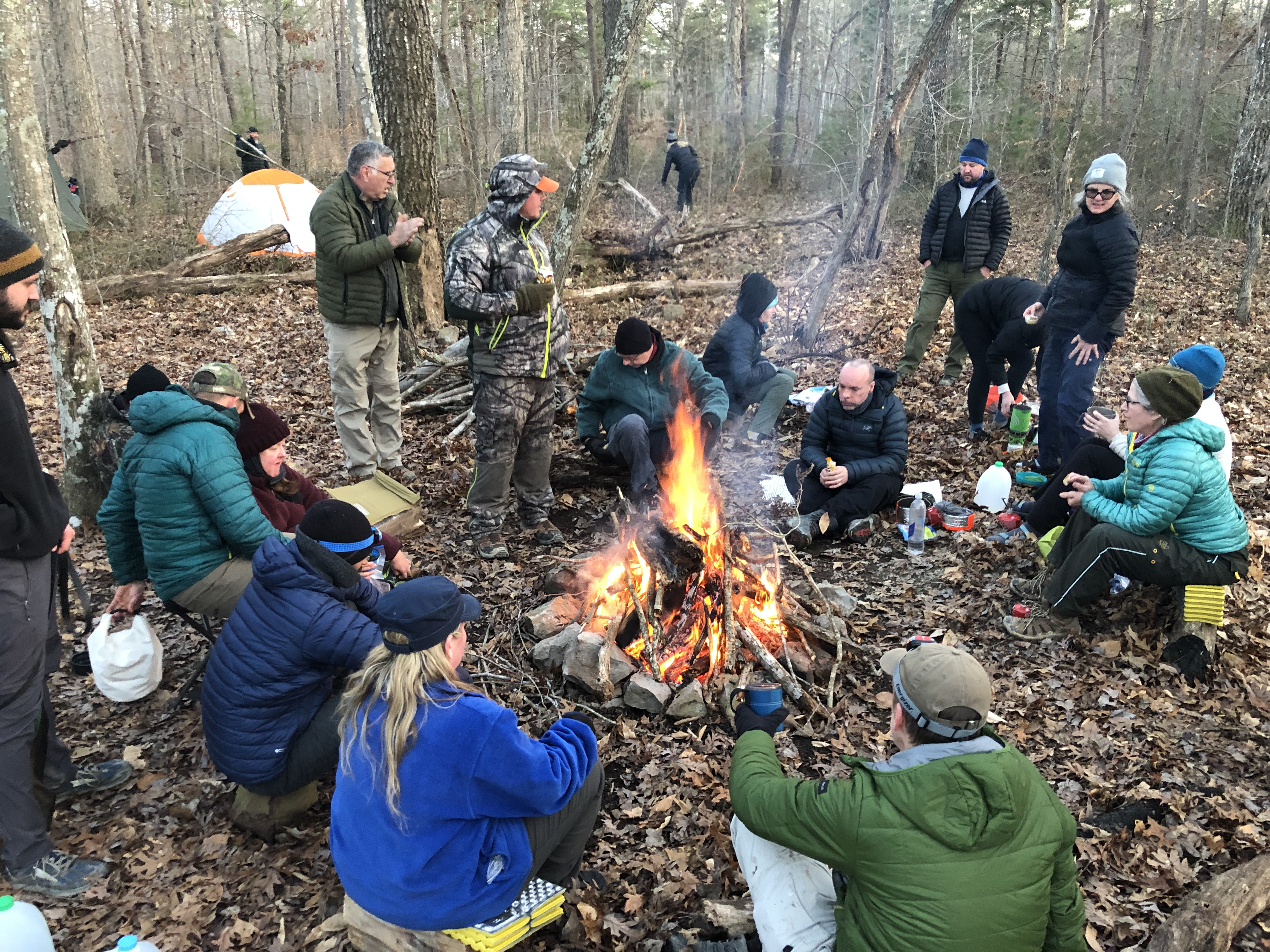
At the south end of Cave Run Dam once set the community of Lewis Church. The homes and church were purchased and removed during the building of the lake in 1974. The Corps of Engineers constructed the Stoney Cove boat ramp and picnic area on the shore. The area on the flat at the top of the hill will be our camping spot for the 2024 Hike 2. This relatively flat area drains into Hog Hollow and was a pasture. A large barn once sat near our campsite.
The trailhead at Stoney Cove parking area is accessed by the roadway at the end of the dam. From this trailhead, the Sheltowee Trace National Recreation Trail and the Caney Loop Trail trail both venture into the woods but come together again a few miles from the White Sulphur Horse Camp Trail. From Stoney Cove, the Sheltowee Trace crosses the Cave Run Dam and northward to Morehead.
Clark Fish Hatchery
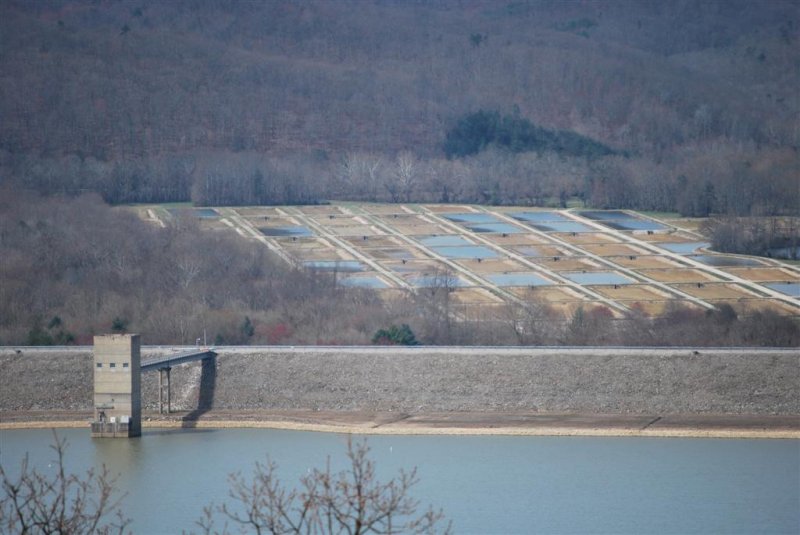
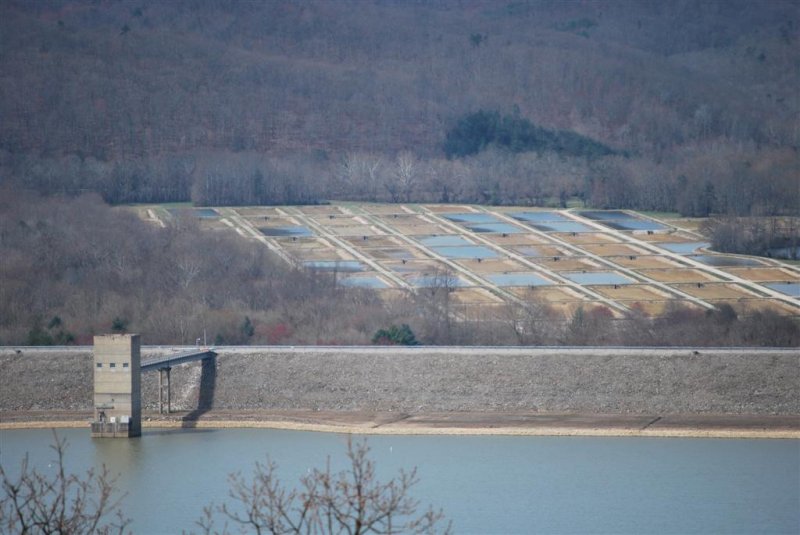
In the distance below the spillway of the Cave Run Dam, the Minor E. Clark Fish Hatchery is home to more than 100 freshwater ponds and comprises more than 300 acres. The hatchery opened in 1972 and is operated by the Kentucky Department of Fish and Wildlife. The complex is the largest “warm-water” hatchery in the United States and produces more than 4 million fingerlings in its 124 acres of water. These small fish are released into streams across the state. The hatchery also focuses on native mussel protection and production.
The large pools are home to largemouth, smallmouth, muskie, walleye, and several other varieties of fish. The pools of fish often make easy targets for predatory and shore-wading birds. Bald eagles are frequent visitors to the area and can be seen circling the pools or in trees along Cave Run Lake. Blue herons, egrets, osprey, and various ducks use these shallow pools to feed. The Clark Hatchery also presents educational programming and offers tours of the facilities. The hatchery grounds are open year-round from dawn to dusk.
Cave Run Lake and Dam
The United States Army Corps of Engineers operates Cave Run Lake as a recreational and flood control impoundment. The restrained waters of the Licking River created this 8,270-acre lake. During normal operations, the spillway released more than 8,000 gallons of water per minute.

The Cave Run Dam project was completed in 1974 for $83 million. The dam is 173.6 miles upstream of the mouth of the Licking River, which empties into the Ohio River near Covington. The project flooded and forced the relocation of several communities, including Lewis Pond, Zilpo, Warix, Yale, and New Alfrey.
Cave Run Lake is 8,270 acres and 48.1 miles long at the summer pool. The winter draw-down is approximately 6-8 feet cropping the lake level to 724 feet. During the winter months, the lake has 7,390 surface acres of water. There are 166 miles of shoreline when at summer pool and more than 50 miles of navigable water.
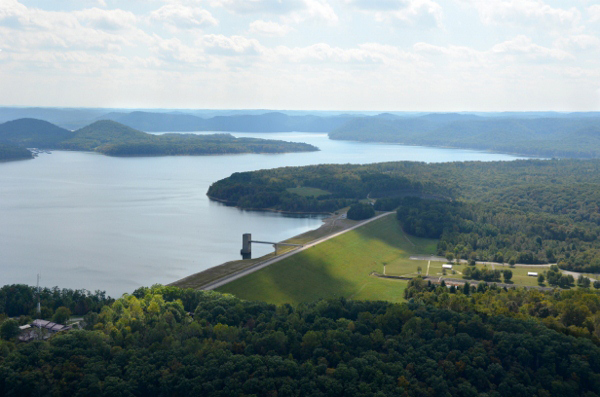
Cave Run Lake has two public marinas: one at Scott Creek and the second at Longbow. Both are open year-round and offer a variety of amenities. The Corps of Engineers provides lake access and boat launching via 11 boat launching ramps on the lake and one in the tailwaters.
Various fish are found in these waters, including sunfish, largemouth bass, smallmouth bass, stripers, catfish, and especially muskellunge. Cave Run Lake is known as the “Muskie Capital of the South.”
Rowan-Bath County Line
Twenty feet from the North end of the Cave Run Dam, hikers leave Bath County and enter Rowan County). The transition is without fanfare, and most hikers are too mesmerized by the beautiful views to pay any attention to the sign marking the municipal boundary change.
Rowan County was created by the Kentucky Legislature in 1856 from parts of Fleming and Morgan Counties. Named for Senator John Rowan, the county is home to 24,662 as of 2020. Rowan County is considered “moist” in a state that permits local option votes to determine the legality of alcohol sales. The City of Morehead permits alcohol sales within its boundaries, but the county does not allow sales in any form. Thirty-five of Kentucky’s 120 counties are considered moist.
Rowan County is one of the fastest growing counties in the state thanks to the Morehead State University and its proximity to Interstate 64.
Cumberland Ranger District Office
The Sheltowee Trace National Recreation Trail now passes beside the Cumberland Ranger District office just before crossing Highway 801 since the trail was rerouted several years ago. The office and field staff of the Cumberland District oversee the operations of the northern section of the Daniel Boone National Forest, including The Red River Gorge, the Clifty Wilderness, and Cave Run Lake.

The office has an interpretive center where hikers can learn more about the mission of the National Forest Service and enjoy the exhibits about the land they manage. They also have restrooms- indoor restrooms when they are open.
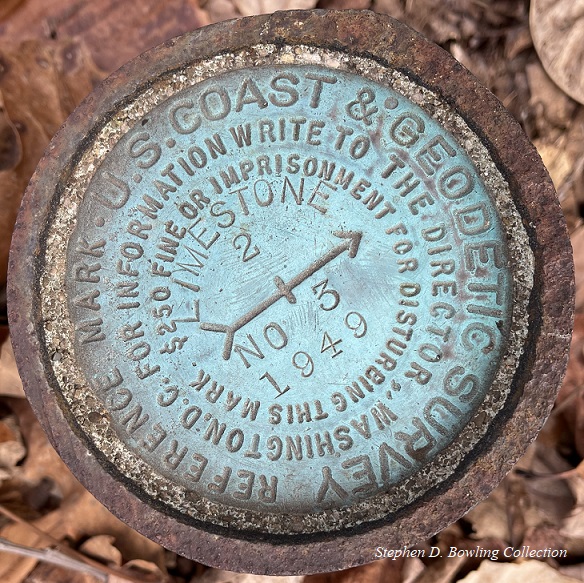
Limestone Knob
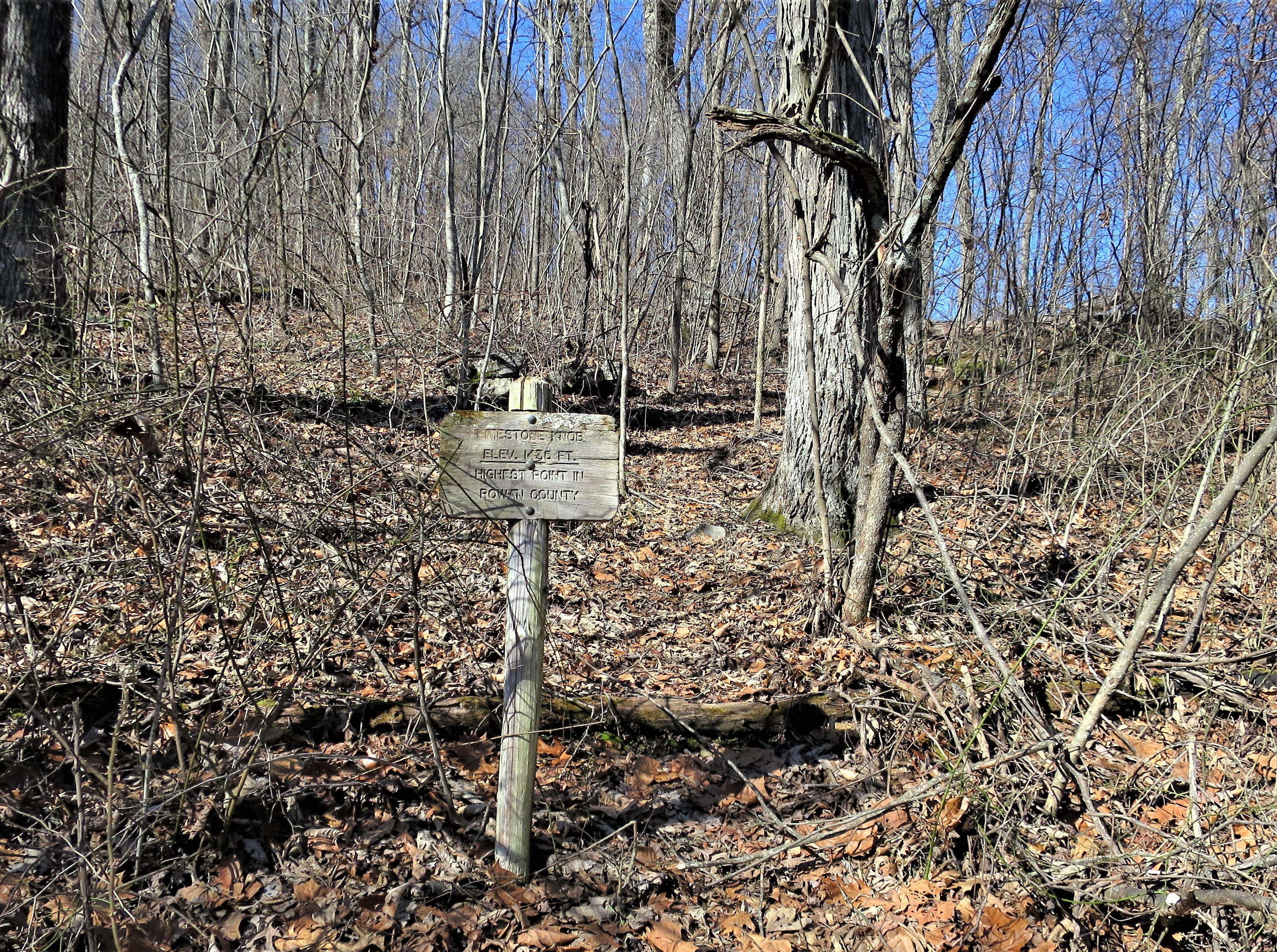
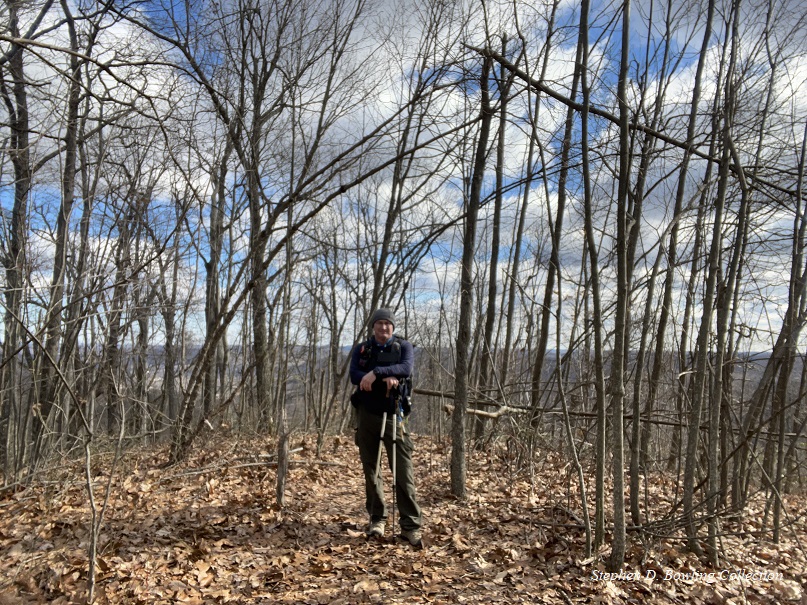
The Sheltowee Trace will pass just below the peak of Limestone Knob. A short side trail leads to the top of this “small rise.” At 1,435 feet (434 meters), Limestone Knob is the highest point in Rowan County. The viewless summit is accessible via a short trail that is maintained by the Cave Run Chapter of the Sheltowee Trace Association. Cranston Mountain, nearly 1.8 miles away, comes in second in Rowan County at 1,420 feet above sea level.
Amburgey Rocks

By taking a quick 0.3-mile hike on a side trail from the Sheltowee Trace and Forest Road 964, Challenge hikers can climb to the top of Amburgey Rocks to view the area. To access the top, follow the unmarked user trail to the back of the rock and make your way up the separation of the rock via a moderate trail. The top of the Amburgey Rocks is approximately 1,004 above sea level. The large crevice on the side of the rock is the only way to climb to the top of this large sandstone monolith. From this vantage point, Morehead, Becky Branch, and the Triplett Creek Valley can be seen in the distance through the trees.

Another path to the right after leaving the Sheltowee Trace takes visitors to a better view of the valley a hundred yards at the end of a point, but it is on private property. While not as popular as the nearby Lockege Rock, the Amburgey Rocks are free of the garbage and graffiti from years of abuse at Lockege Rock. Take a few minutes to climb to the top and enjoy the view during the early spring or late fall when the leaves are not on the trees. This sandstone pillar is one of the escarpments that comprise the Amburgey Rocks. Four additional outcrops crown the long ridgetop that runs from here northeast toward Morehead.
Two-Wheeled Hikers
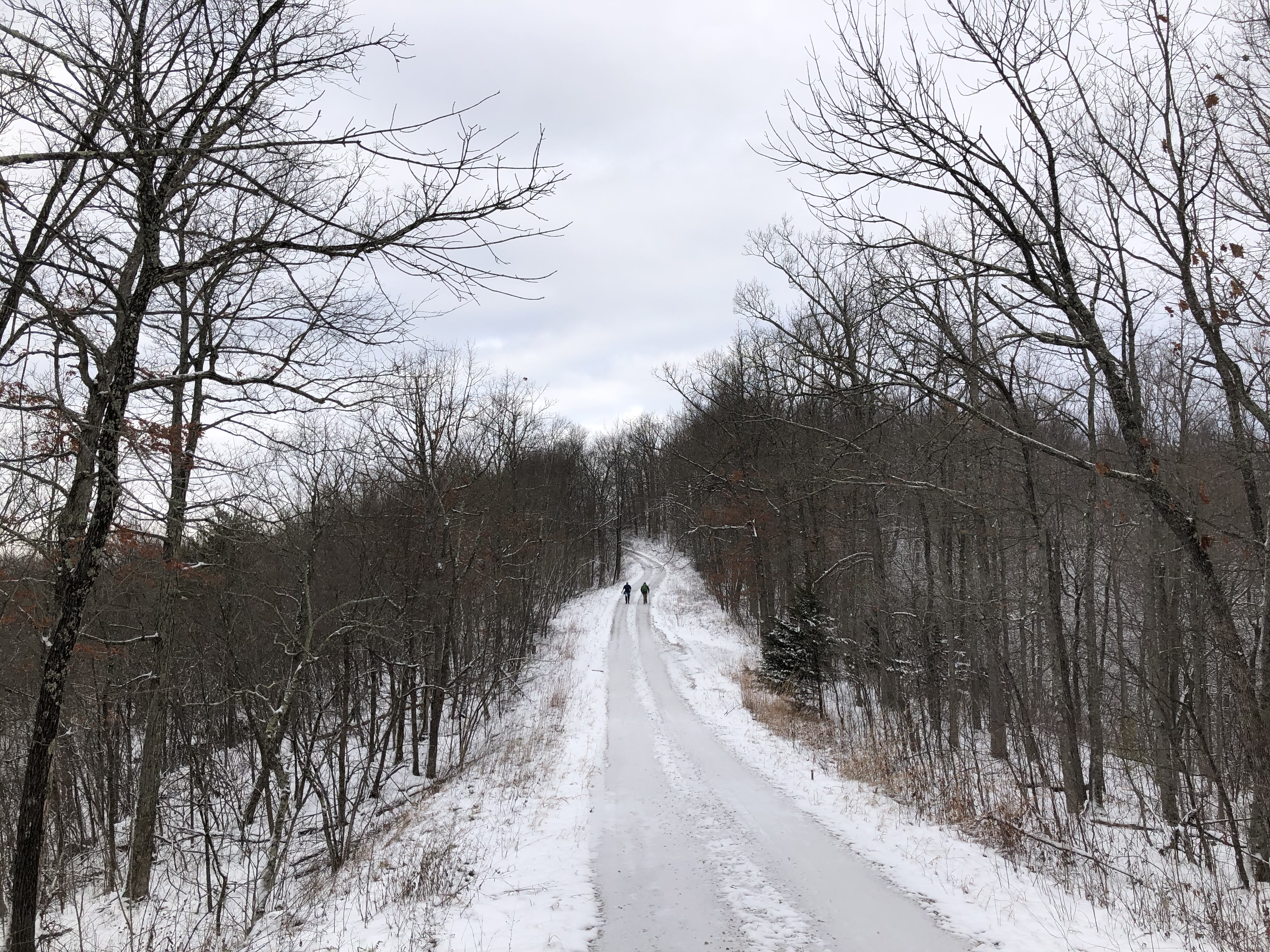
After leaving Amburgey Rocks, the Trace uses and parallels the gravel Forest Service Road known as Lokeegee Road. This section is also known as the Limestone Bike Trail #109. A series of side trails labeled #109A and #109B will leave the Sheltowee Trace and head off into the woods. Do not take these side trails unless you want to add 5-6 miles to your hike. Be aware of bikers and yield the right of way to them, especially on long climbs.
Clearfield, Kentucky, 41303
Clearfield, Kentucky, is a small town that has nearly been absorbed into the city limits of Morehead. The small community, which sits on the banks of Dry Creek and Mill Branch, boasts a post office and a new Dollar General store. In time, this small city was a thriving industrial center with several manufacturers and a population of nearly 1,000.

Dixon Clack established a sawmill in this area in the mid-1800s and employed hundreds in his mill. By 1905, a large timber company from Pennsylvania purchased the area and laid train tracks into the countryside to bring logs to the large mill at this site. The Post Office was established in 1908.

The Clearfield Lumber Company operated at several mills here from 1905 until 1925 and sold coal and sawn lumber. When larger hardwood trees became harder to find, Clearfield Lumber sold the property, and a new company changed the production from lumber to bricks, tiles, pipes, and other clay products.
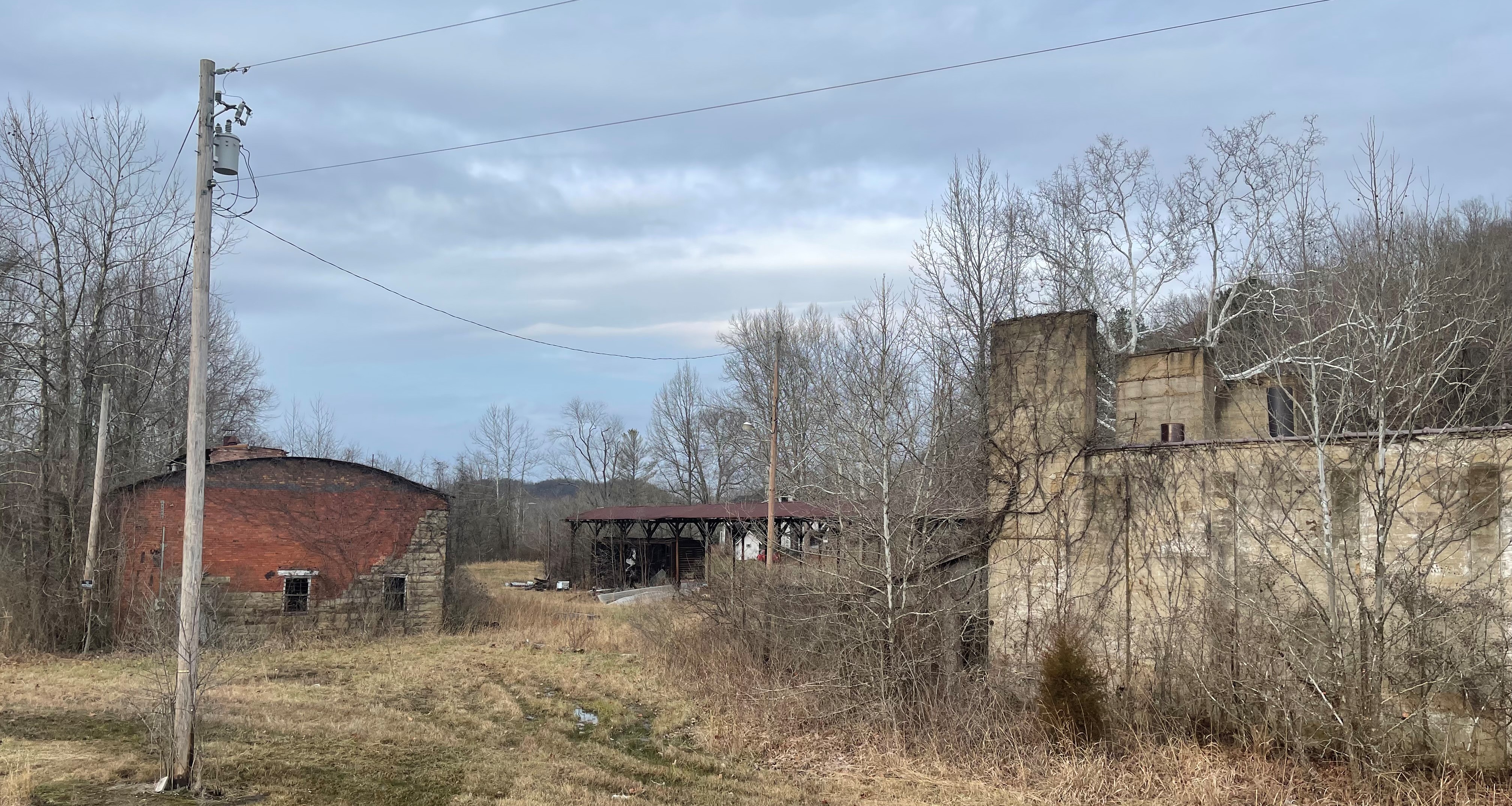
The Lee Clay Products Company operated here until it closed in 1970. The old buildings that you can still see on the other side of the roadway are the remnants of the Clearfield Lumber Company and the Lee Clay Products building. A closer look reveals several old Morehead and North Fork Railroad train cars, which brought logs and coal to the mill from 1905 until 1973. Enjoy these historic buildings from afar- your trek will take you back into the woods when you exit Mill Branch.
Brady
After hiking down Mill Branch and through the city of Clearfield, the Sheltoweet Trace makes a left turn near the Post Office onto Highway 519. The Trace follows Highway 519 and crosses US 60 at the red light. This community is known as Brady. After crossing US 60, make a right onto Main Street and make your way .58 miles to US 32. After crossing Highway 32, it is a short hike to your car, which is just ahead in the Morehead Convention Center parking lot.
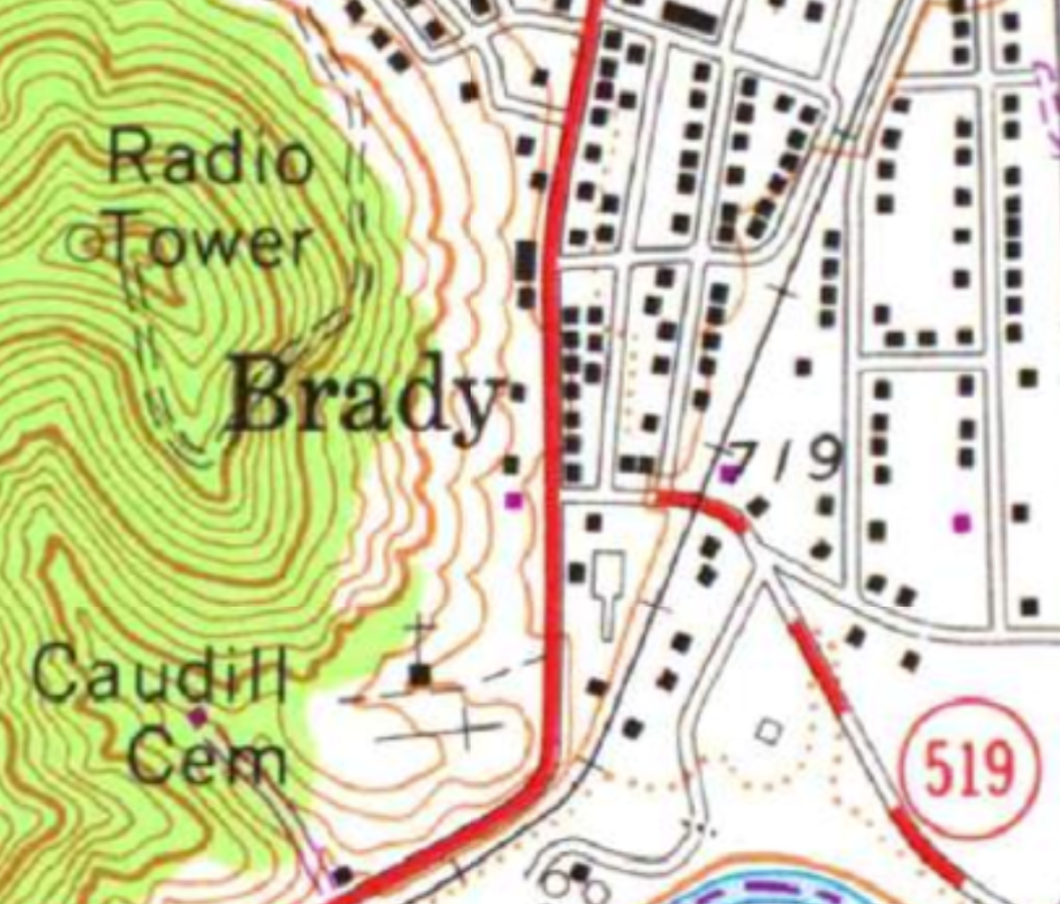
Brady was one of the first suburbs of Morehead to develop as the city grew and expanded. Workers and tradesmen from the city and the nearby lumber yards built modest homes beginning in the early 1900s in this quiet and peaceful addition. Many of the older homes still remain.
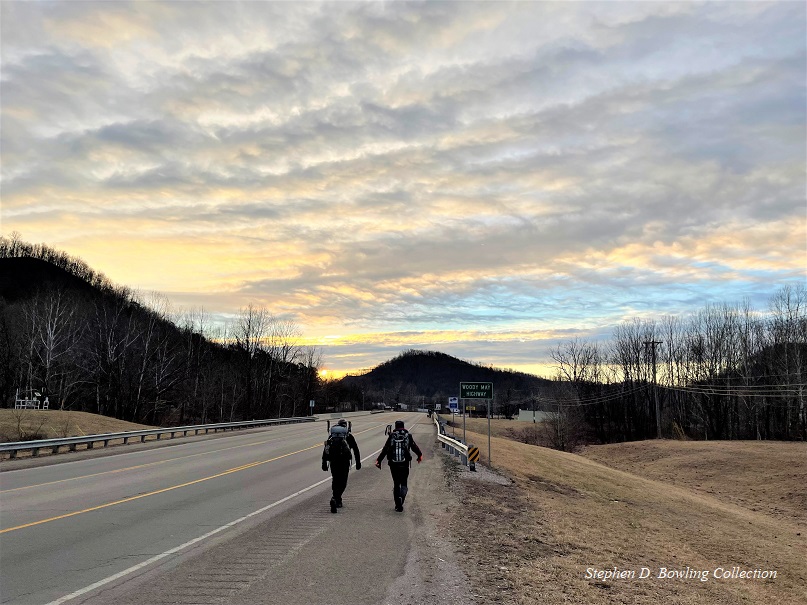
Brady has since been absorbed into the city of Morehead and is home to the new Rowan County Judicial Center and the County Courthouse. You will pass the newly constructed building on the right as you head toward the Convention Center. There are few mentions of Brady today except the continued listing of the small community on many old maps.
Well, we did it again. We just completed Section 2 of the 2024 Sheltowee Trace Challenge. Now go find a nice restaurant and get something to eat. Head home, clean and store your gear, and get some rest. Remember, the March and out trip through the Red River Gorge will be here before you know it.
© 2024 Stephen D. Bowling


 Bookie on the Trail