By Stephen D. Bowling
Hays Pigman had a vision. He worked as the Breathitt County Extention agent for Agriculture for thirty-one years. He was always on the lookout for innovative methods and opportunities to turn the rich soil of Breathitt County into local money. In the 1960s, Pigman found what he thought was Breathitt’s promise of a bright future- pickles.
In January 1964, several Hirsch Pickle Processing Company representatives, producers of Paramount Pickles, came to Jackson to announce a new program. The pickle processors in Louisville visited Breathitt, Lee, Owsley, Powell, and Wolfe Counties in an attempt to contract more than 1,000 acres of cucumbers. The company hoped that local farmers would dedicate a portion of their fields to growing cucumbers to sell to Hirsch’s buyers to supplement the farmer’s incomes.
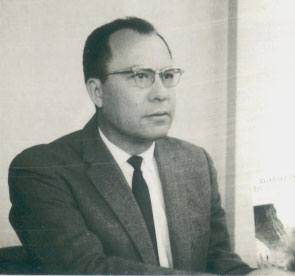
The company announced that if it could contract at least 40 acres of cucumbers in Breathitt County, it would open a “receiving station” to make the sale from local farmers more convenient and cost-effective. The effort sought farmers to sign a formal contract to exclusively sell the crops to the Hirsch Company. Under the contract, each individual grower was paid based on the size and quality of the cucumber they brought to market.
After a successful test run in several western Kentucky counties, the local farmer cooperative program came to eastern Kentucky. In those counties where farmers sold their crops, Hirsch provided hundreds of dollars of extra income during the slower portion of the growing season and before other crops were harvested in the fall. Pigman noted that the cucumber grew primarily from May 1 until August 10 in a 100-day growth cycle. He noted that the average farmer would have only about $35 to $40 dollars invested in seed for an acre, and the Hirsch Pickle Company promised each farmer a seed duster.
Based on the sample purchases, the top 200 cucumber growers produced an average yield of 300 bushels per acre. Hirsch reported that the average farmer in the western Kentucky experiment averaged an extra $452.45 per acre of cucumbers planted. Pigman saw great potential in the sale of cucumbers to produce pickles as supplemental income for Breathitt County farmers. The presentation discussed the harvest, described as the most labor-intensive portion of the process. The representatives told the interested farmers that the cucumber needed to be harvested “every two or three days” or 16-20 times over the six-week harvest period.
Information about the program appeared in the local newspaper, and farmers made their way to Pigman’s office individually. A special meeting of interested farmers was scheduled on February 26, 1964, in the County’s Agent’s Office upstairs at the Jackson Post Office on Broadway. Seventy farmers attended the meeting. Woodrow Wilson, a representative of the Hirsch Company, spoke to the crowd and explained the process. Wilson told the farmers that the majority of the crop would be harvested in July and that the company would help subsidize the purchase of seed.
After Wilson spoke, farmers started to signup for the program, and twenty-five acres were contracted that evening. Wilson and Pigman announced that an additional 24 acres were needed to establish a grading station in Breathitt. Another meeting was scheduled for March 17 to offer another round of contracts. Breathitt County did not make the 50 acres of contracted cucumbers to get a grading station, but Lee and Owsley County met their requirements.
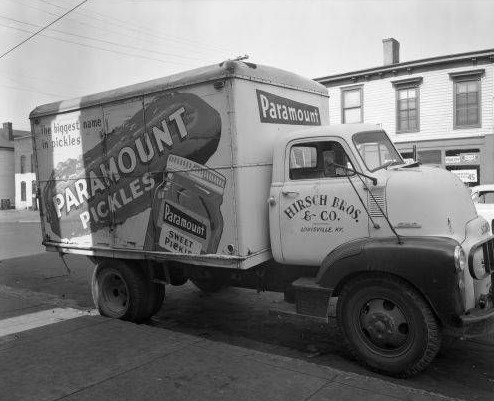
The Jackson Times announced that Lee and Owsley County farmers were raking in the money selling pickles in July 1964. A headline announced, “Pickle Patches Prove Profitable For Farmers of Lee And Owsley.” Breathitt farmers read about establishing a grading station at Pebworth, where representatives from Hirsch were purchasing Grade No. 1 cucumbers for the unheard-of price of $7.50 for 100 pounds. The article included an admonishment that farmers could go ahead and sign up to sell the cucumbers next year by contacting the local agent.
By 1965, more Breathitt County farmers were on board with 52 acres contracted to the Hirsch Brothers Company. Local producers and the state took notice of the opportunity for farmers to earn mid-season cash, and the pickle industry in Breathitt County grew. The number and quality of cucumbers grown for the Hirsch Brothers Company improved yearly. From 1966-1968, Hirsch’s involvement with Breathitt farmers brought thousands of additional agriculture dollars to the area thanks to the pickle industry and Hays Pigman, the man who coordinated the effort.
On August 8, 1968, The Jackson Times featured the new growth industry in a front-page article. The Times announced, “Today, farmers in Breathitt County are cashing in on an opportunity offered to them this spring.” Hirsch has forty and one-half acres under contract in Breathitt County, but they noted that the yield per acre was greatly increased due to the quality of seeds and improved farming methods.
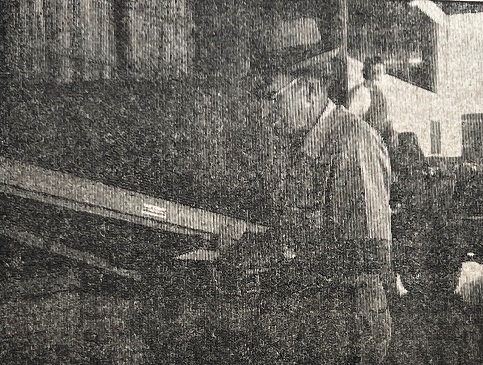
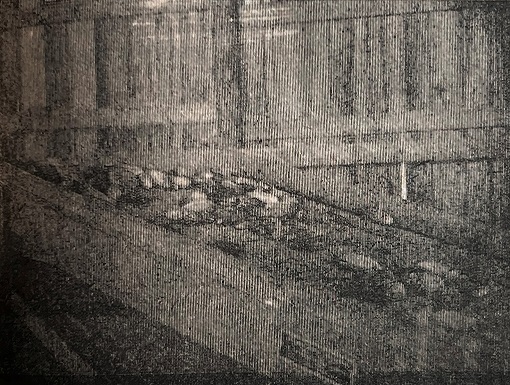
To meet the demands of Breathitt County farmers, Hirsch established a regional grading and purchasing center at the Experiment Station at Quicksand. Elmer D. Cornett managed the six-week purchasing season and said some farmers sold four days a week.
“They are averaging approximately $103 for the four days,” Cornett told The Jackson Times. “Sometimes the whole family brings the pickles in, and they seem to be in high spirits.”
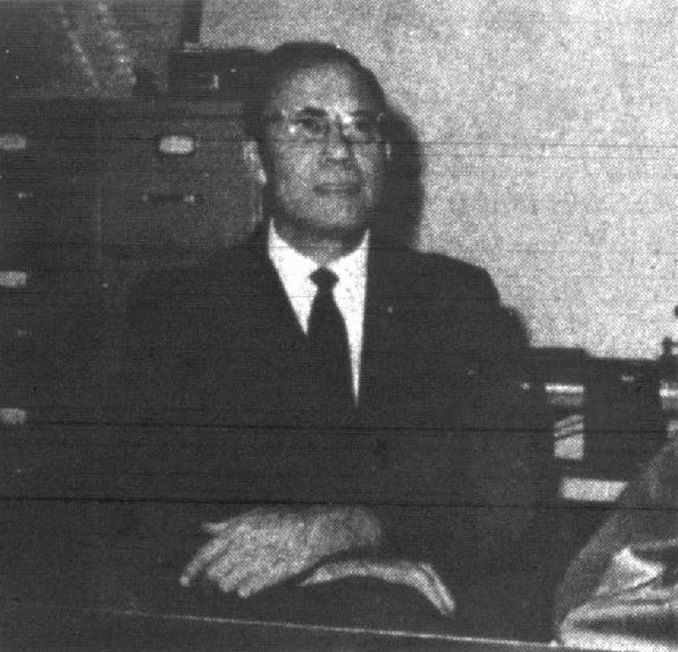
Pigman was pleased with the 1968 effort and said, “We feel that this program fits well with our type of farming in Breathitt County. The harvesting is done during the weeks when children could help pick. It interferes very little with other farm crops, especially tobacco since the peak of tobacco labor is over until cutting.”
Pigman said that farmers around the county ended 1968 with an average of $1,000.00 profit per acre.
Newspaper coverage of the “extra money” earned by the cucumber farmers brought more attention to the effort. Farmers enjoyed 1969 and 1970 as record years, but wet weather and a reduced yield in 1971 forced Hirsch to look for other sources to supply their Paramount Pickle Company’s needs at the Louisville plant.

Hirsch found other suppliers in California and in Mexico. The prices were more to the liking of Hirsch, and they found dealing with large suppliers easier than persuading hundreds of small growers to sign annual contracts. The last known county-wide pickle-buying program the Hirsch Bros. & Company conducted in Breathitt County was in 1972.
Pigman invited potential growers to a meeting at the County Community Room of the Breathitt County Courthouse on April 3. He warned that “we are in danger of losing our buying station at Quicksand if we don’t have sufficient growers this year,” Pigman said.
Competition from cheaper cucumbers and rough weather killed the Breathitt County industry. Hays Pigman’s dream of Breathitt County becoming the “Pickle Capital of Kentucky” were dashed by mother nature and foreign imports. Breathitt County’s chance to “hit it big” in the pickle world soured.
Pigman retired on June 30, 1973, after thirty-one years as Breathitt County’s extension agent. He remained active in local efforts, including the industrial board, city park, and schools. He experienced several medical concerns after leaving the extension service. Pigman died in 2001 and was buried at the Evans Cemetery in Wolfe County, Kentucky. Lowell G. Hamilton was named the County Extention Agent in January 1974 and continued many of Pigman’s efforts to innovate and improve agriculture in Breathitt County.
© 2023 Stephen D. Bowling

 Bookie on the Trail